Ayahuasca and Anxiety: Benefits and Risks
November 4, 2025
The History of Ayahuasca: From Amazon to the World
November 11, 2025
When you hear about the transformative power of ayahuasca, Peru often tops the list of destinations. The lush Amazonian backdrop, centuries‑old shamanic traditions, and a growing community of seekers make the country a magnet for those looking to explore consciousness. Yet, as the popularity of these experiences rises, so does the responsibility to ensure ayahuasca retreat safety Peru is not just a buzzword but a lived reality. This guide walks you through everything you need to know before stepping onto a retreat, from choosing a reputable center to understanding medical contraindications, legal nuances, and post‑ceremony integration.
Understanding Ayahuasca Retreats in Peru
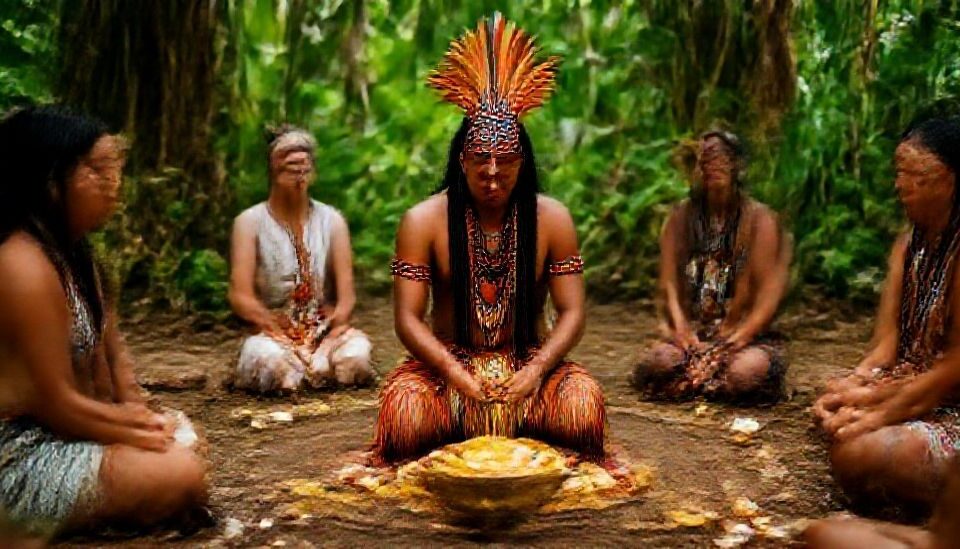
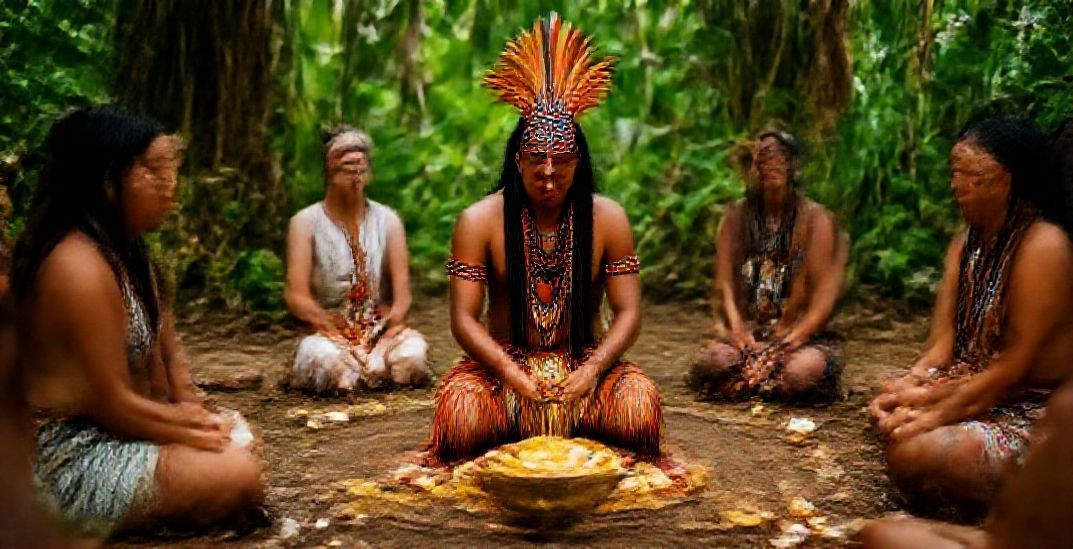
Ayahuasca is a brew made from the Banisteriopsis caapi vine and the leaves of Psychotria viridis, containing the powerful psychedelic DMT. In Peru, its use is deeply rooted in indigenous spiritual practices, and many modern retreats blend these traditions with contemporary therapeutic frameworks. While the experience can be profound, it is also intense, often bringing up deep emotional material, physical sensations, and altered perceptions of time and space. Recognizing the cultural context and the potency of the brew is the first step toward ensuring safety.
Ayahuasca Retreat Safety in Peru: Key Considerations
Safety at an ayahuasca retreat is multi‑dimensional. It encompasses physical health, mental well‑being, ethical conduct, and legal compliance. Below are the core pillars you should evaluate:
- Medical Screening: Comprehensive health assessments to identify contraindications.
- Qualified Facilitators: Experienced shamans or facilitators trained in both traditional practices and emergency response.
- Environment: Clean, comfortable facilities with clear safety protocols.
- Legal Status: Centers operating within Peruvian law and respecting indigenous rights.
- Aftercare: Structured integration support to process the experience.
Choosing a Reputable Center
Not all retreats are created equal. A reputable center will be transparent about its practices, staff qualifications, and safety measures. Here’s how to vet a retreat:
- Check for certifications or affiliations with recognized organizations such as the International Ayahuasca Therapy Association.
- Read independent reviews on platforms like TripAdvisor, Google, and specialized forums.
- Ask for a detailed itinerary that includes medical screening, ceremony times, and integration sessions.
- Confirm the presence of a qualified medical professional on‑site or on call.
- Verify that the retreat respects local regulations and has proper permits.
Transparency is a hallmark of safety. If a center hesitates to share information, consider it a red flag.
Medical Screening and Contraindications
Ayahuasca interacts with a range of medications and health conditions. A thorough medical questionnaire should be completed at least two weeks before arrival. Common contraindications include:
- Antidepressants, especially SSRIs, MAOIs, and other serotonergic drugs.
- Heart conditions, hypertension, or any cardiovascular disease.
- Pregnancy or breastfeeding.
- Severe psychiatric disorders such as schizophrenia or bipolar disorder.
- Substance dependence that has not been addressed.
Even if you feel healthy, disclose any supplements, herbal remedies, or over‑the‑counter drugs you take. A qualified health professional can advise whether a short wash‑out period is needed.
Preparation and Integration Practices
Preparation begins long before you board the plane. Many retreats provide a pre‑retreat guide covering diet, mindset, and logistical details. Typical recommendations include:
- Dietary Adjustments: A low‑tyramine, plant‑based diet for 3‑5 days to reduce nausea and potential interactions.
- Mental Preparation: Journaling, meditation, or therapy to clarify intentions.
- Physical Rest: Adequate sleep and gentle exercise to support the body.
Integration is equally vital. After the ceremony, participants should engage in:
- Guided reflection sessions with a therapist or integration coach.
- Group sharing circles to process emotions safely.
- Continued mindfulness practices to embed insights into daily life.
Retreats that allocate dedicated time for integration demonstrate a commitment to long‑term safety and well‑being.
Legal and Ethical Aspects of Ayahuasca in Peru
Ayahuasca is legal in Peru when used in a traditional, religious, or therapeutic context, provided the ceremony is conducted by a recognized shaman or facilitator. However, the legal landscape can be nuanced:
- Some centers operate under the umbrella of “ayahuasca churches” recognized by the Peruvian government.
- Unauthorized commercial operations may face legal scrutiny and lack proper safety oversight.
- Ethical considerations include respecting indigenous knowledge, ensuring fair compensation, and avoiding cultural appropriation.
Choosing a retreat that honors these legal and ethical standards protects you from potential legal complications and supports the sustainability of indigenous traditions.
Common Risks and How to Mitigate Them
While many participants report profound healing, risks exist. Understanding them helps you make informed decisions.
Physical Discomfort
Nausea, vomiting, and diarrhea are common and often considered part of the cleansing process. Centers should provide:
- Hydration stations with electrolyte drinks.
- Comfortable resting areas.
- Medical staff trained to manage severe dehydration.
Psychological Overwhelm
Intense visions or emotional releases can be unsettling. Mitigation strategies include:
- Pre‑ceremony counseling to set realistic expectations.
- Experienced facilitators who can guide participants through challenging moments.
- Immediate access to a safe space for grounding.
Adverse Interactions
Improper medication management can lead to serotonin syndrome or hypertensive crises. The retreat must enforce strict medication disclosure policies and have emergency protocols, including access to local hospitals.
What to Expect During the Ceremony
A typical ayahuasca ceremony in Peru follows a ritualistic structure:
- Opening Invocation: The shaman sets the intention, often with icaros (sacred songs) and prayer.
- Consumption of the Brew: Participants drink the bitter liquid in a communal setting.
- Journey Phase: Over 3‑5 hours, visions, physical sensations, and emotional waves arise.
- Closing: The shaman guides the group back to a grounded state, often with a final song or blessing.
Throughout, the environment should be calm, with dim lighting, natural sounds, and a supportive presence. Safety measures include a designated “sitter” for each participant, ready to intervene if someone becomes physically unstable or emotionally distressed.
Post‑Retreat Support and Aftercare
The integration period can last weeks or months. A responsible retreat will offer:
- Follow‑up calls or virtual sessions with integration coaches.
- Access to community forums for peer support.
- Resources such as reading lists, meditation guides, and therapist referrals.
Continuing care reduces the likelihood of lingering anxiety, confusion, or misinterpretation of the experience.
Conclusion: Prioritizing Ayahuasca Retreat Safety Peru
Embarking on an ayahuasca journey in Peru can be life‑changing, but it demands careful preparation, informed decision‑making, and ongoing support. By focusing on ayahuasca retreat safety Peru—through thorough medical screening, choosing reputable centers, respecting legal and ethical frameworks, and committing to robust integration—you dramatically increase the odds of a safe, meaningful, and transformative experience. Remember, safety is not a single checklist item; it is a holistic approach that honors your body, mind, and the cultural lineage that makes ayahuasca possible. Choose wisely, prepare diligently, and let the wisdom of the Amazon guide you responsibly.