Safety at Ayahuasca Retreats in Peru: What to Know
November 7, 2025
What Science Says About Ayahuasca: Latest Research
November 14, 2025
The ayahuasca history is a fascinating tapestry that weaves together ancient indigenous traditions, colonial encounters, scientific curiosity, and contemporary global interest. Understanding how this powerful brew traveled from the depths of the Amazon rainforest to modern wellness centers worldwide requires a deep dive into its cultural roots, the shifts in perception over centuries, and the ethical debates that accompany its rise.
Origins in the Amazon: The Birth of a Sacred Brew
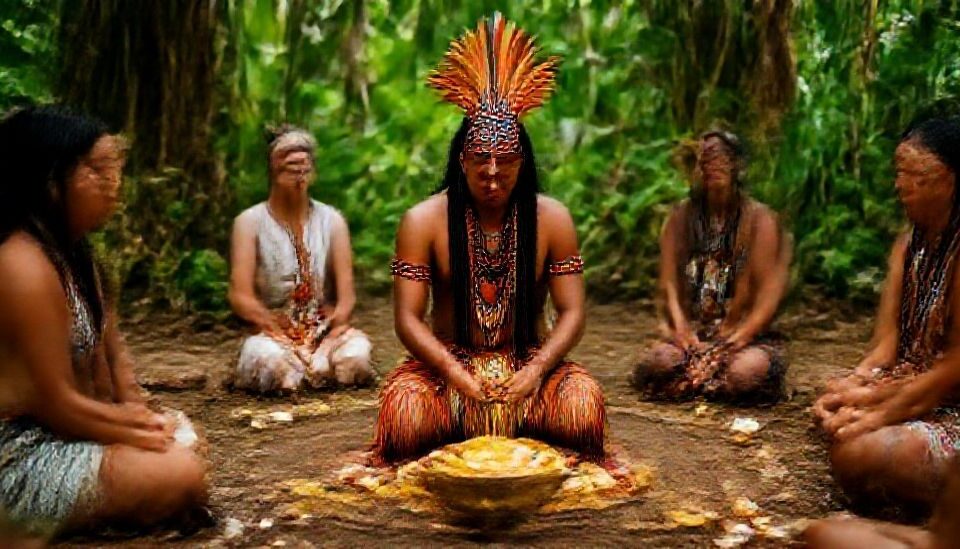
Long before European explorers set foot on South America, the peoples of the Amazon basin had already discovered the psychoactive properties of a vine called Banisteriopsis caapi and the leaves of the Psychotria viridis shrub. When combined, these plants create a brew known as ayahuasca, a term derived from the Quechua words aya (spirit) and huasca (vine), literally meaning “vine of the soul.”
Archaeological evidence, including ancient pottery and rock art, suggests that the use of ayahuasca dates back at least 1,000 years, though oral histories among tribes such as the Shipibo‑Conibo, Asháninka, and Kichwa claim an even older lineage. The brew was traditionally prepared by experienced shamans, or curanderos, who followed precise rituals to ensure safety and spiritual alignment.
Key Elements of Traditional Preparation
- Harvesting the vine at the right season to maximize alkaloid content.
- Boiling the vine for several hours, often with additional plant additives for specific therapeutic purposes.
- Reciting chants (or icaros) to guide the journey and protect participants.
These practices underscore the deep respect indigenous cultures held for the plant, viewing it not merely as a drug but as a conduit to the spirit world, a tool for healing, and a means of communal bonding.
Traditional Use and Cultural Significance
In the context of the Amazonian worldview, ayahuasca is integral to the cosmology of many tribes. It is employed in rites of passage, conflict resolution, and the diagnosis of illnesses that are believed to have spiritual origins. The brew’s ability to induce vivid visions and profound introspection made it a central element in shamanic healing sessions, where the shaman interprets the visions to identify the source of a patient’s ailment.
Beyond its medicinal role, ayahuasca serves as a cultural anchor. The shared experience of the ceremony reinforces community bonds, transmits oral histories, and preserves linguistic traditions. The ayahuasca history is therefore inseparable from the social fabric of the Amazonian peoples, reflecting a holistic approach to health that intertwines body, mind, and spirit.
Colonial Encounters and Suppression
When Spanish conquistadors arrived in the 16th century, they brought with them a worldview that labeled many indigenous practices as “pagan” or “heretical.” Early missionary accounts often described ayahuasca ceremonies with suspicion, fearing that the visions could undermine Christian conversion efforts. As a result, many indigenous groups were forced to conceal their rituals, leading to a period of cultural suppression that lasted for centuries.
Despite these pressures, the knowledge of ayahuasca persisted in remote villages, passed down through secretive oral traditions. The resilience of these practices is a testament to the deep spiritual significance the brew held for its users. It wasn’t until the late 19th and early 20th centuries that Western scholars began to take a scientific interest in the plant.
Scientific Exploration in the 20th Century
The modern ayahuasca history took a pivotal turn in the 1930s when Peruvian ethnobotanist Richard Spruce documented the plant’s use among the Kichwa. However, it was the 1950s and 1960s that saw a surge in academic curiosity. Notably, the Brazilian physician and psychiatrist Dr. José Ramos‑Mourão conducted clinical observations of ayahuasca’s effects, publishing some of the first medical reports on its psychotropic properties.
In the 1970s, the pioneering work of American ethnobotanist Richard Evans Schultes and his student, the psychologist and writer Terence McKenna, brought ayahuasca to the attention of the broader scientific community. Their fieldwork highlighted the brew’s potential for psychotherapy, leading to early experimental studies on its capacity to treat addiction, depression, and PTSD.
These investigations laid the groundwork for contemporary research, which now employs neuroimaging and controlled clinical trials to explore how the brew’s primary active compound, DMT (dimethyltryptamine), interacts with serotonin receptors to produce altered states of consciousness.
Global Spread and Modern Revival
By the late 20th century, the ayahuasca history entered a new phase: globalization. The countercultural movements of the 1960s and 1970s, combined with a growing Western fascination with shamanism, created a demand for authentic psychedelic experiences. Visionary travelers, such as the French anthropologist Jeremy Narby, documented their journeys with ayahuasca, publishing best‑selling books that sparked curiosity among readers worldwide.
In the 1990s, the rise of the internet facilitated the formation of online communities where individuals exchanged information about ayahuasca retreats, dosage guidelines, and integration practices. This digital connectivity accelerated the spread of ayahuasca ceremonies beyond the Amazon, leading to the establishment of retreat centers in Brazil, Peru, Costa Rica, and even Europe and North America.
Today, the modern ayahuasca movement is characterized by several trends:
- Therapeutic Integration: Licensed therapists incorporate ayahuasca experiences into holistic treatment plans, emphasizing post‑ceremony integration sessions.
- Scientific Validation: Universities such as Johns Hopkins and Imperial College London conduct rigorous trials to assess ayahuasca’s efficacy for mental health disorders.
- Cultural Exchange: Indigenous leaders collaborate with researchers to ensure that traditional knowledge is respected and that benefits are shared with source communities.
These developments illustrate how the brew has transitioned from a sacred tribal medicine to a globally recognized tool for personal growth and healing.
Legal and Ethical Considerations
The rapid expansion of ayahuasca use has sparked complex legal debates. While countries like Brazil and Peru recognize ayahuasca as a religious sacrament, others classify it as a controlled substance due to its DMT content. In the United States, the legal status varies by state, with some jurisdictions granting exemptions for religious use (e.g., the Santo Daime and União do Vegetal churches) and others enforcing strict prohibitions.
Beyond legality, ethical concerns dominate the conversation. Critics argue that the commercialization of ayahuasca can lead to cultural appropriation, exploitation of indigenous knowledge, and ecological damage to the Amazon rainforest. To address these issues, several organizations advocate for:
- Fair compensation and profit‑sharing models for indigenous communities.
- Sustainable harvesting practices that protect the vine and surrounding ecosystems.
- Transparent consent processes that ensure participants understand the risks and cultural context.
Respecting the ayahuasca history means acknowledging its roots, honoring the custodians of the tradition, and fostering responsible stewardship as the brew continues to travel across borders.
Conclusion: Reflecting on a Journey from the Amazon to the World
The story of ayahuasca is a vivid illustration of how a plant can shape cultures, challenge scientific paradigms, and inspire global movements. From its ancient origins in the Amazonian rainforest, where it served as a bridge between the physical and spiritual realms, to its present‑day role in psychotherapy and spiritual tourism, the ayahuasca history underscores the dynamic interplay between tradition and modernity.
As interest grows, it is crucial for researchers, practitioners, and seekers alike to approach ayahuasca with humility, rigor, and respect for the indigenous peoples who first discovered its power. By doing so, we ensure that this remarkable brew continues to offer healing and insight while preserving the cultural heritage that made it possible.