Ayahuasca and the Brain: Neuroscience Behind the Experience
November 28, 2025
Common Ayahuasca Myths and the Truth Behind Them
December 5, 2025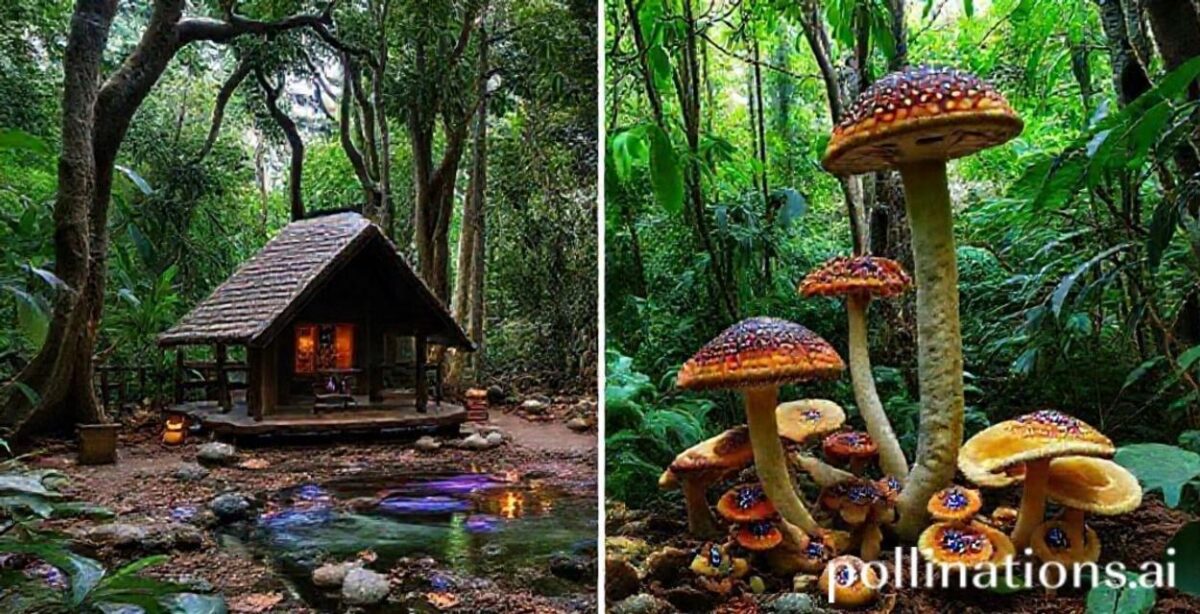
When curiosity about plant‑based psychedelics meets the desire for personal growth, two names dominate the conversation: ayahuasca and psilocybin. Both have been used for centuries in indigenous rituals and are now entering mainstream wellness circles, but the experiences they offer differ dramatically. Understanding the nuances of an ayahuasca retreat vs psilocybin journey is essential for anyone considering a guided psychedelic experience. This article breaks down the key differences, from legal status and ceremony structure to therapeutic outcomes and practical logistics, helping you make an informed decision that aligns with your goals, health, and personal philosophy.
Ayahuasca Retreats: Tradition, Setting, and Structure
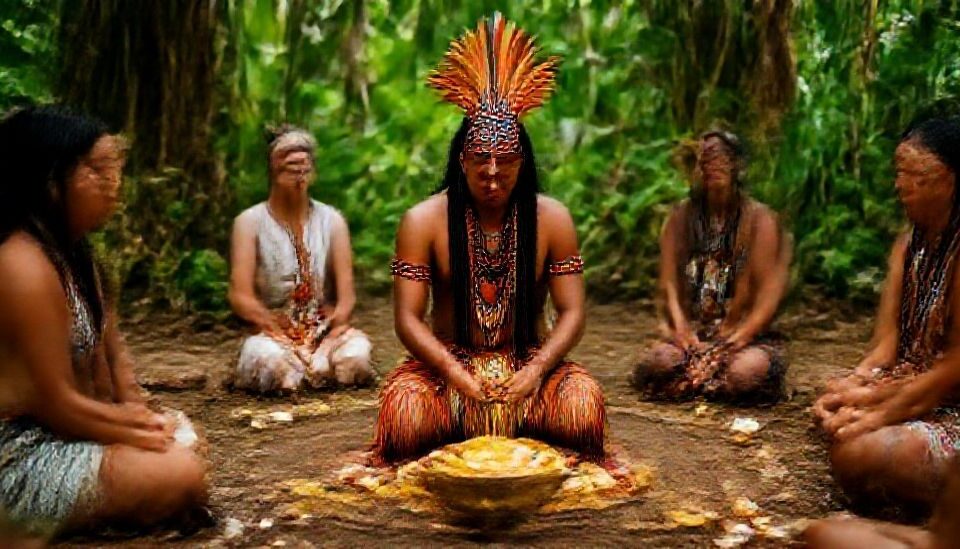
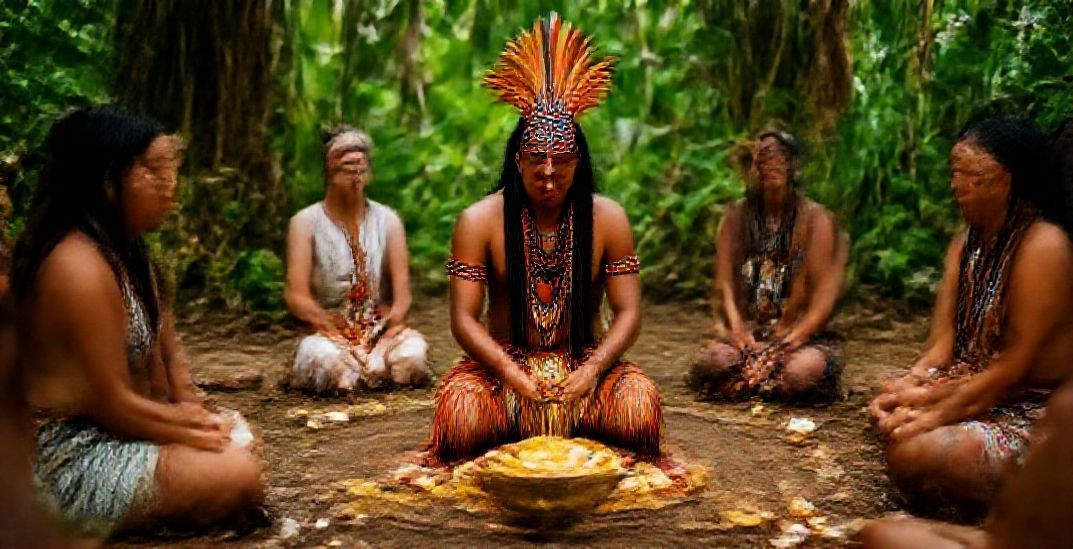
Ayahuasca retreats are typically hosted in remote, nature‑rich locations such as the Amazon basin, Peru, Brazil, or Costa Rica. The setting is deliberately immersive, often involving communal living, shared meals, and a strict schedule that includes multiple brewings over a week‑long stay. The brew itself is a brew of the Banisteriopsis caapi vine and Psychotria viridis leaves, containing the powerful psychedelic DMT and MAO‑inhibiting alkaloids. Participants usually work with an experienced shaman or facilitator who leads the ceremony, chants icaros (healing songs), and provides a ritual framework that emphasizes surrender, purification, and spiritual insight. The intensity of an ayahuasca ceremony can last 4–6 hours, with profound visual, emotional, and somatic effects that often feel like a deep inner purge. Because the experience is embedded in a cultural and ceremonial context, the language used, the symbolism, and the communal support are all integral to the therapeutic process.
Psilocybin Sessions: Modern Context and Flexibility
Psilocybin, the active compound found in “magic” mushrooms, has seen a resurgence in clinical research and boutique retreat settings across Europe, North America, and parts of Central America. Unlike the multi‑day ayahuasca retreat, a psilocybin session can be as short as a single day, making it more accessible for people with limited time or travel budgets. Sessions are often conducted in comfortable indoor spaces—sometimes a dedicated therapy room, a yoga studio, or a quiet house—where a trained guide or therapist monitors the participant’s journey. The dosage can be precisely measured, ranging from micro‑doses (0.1–0.3 g) for subtle mood enhancement to high doses (3–5 g) for full psychedelic immersion. The effects typically begin within 30–60 minutes, peak at 2–3 hours, and gently subside over 4–6 hours. This predictable timeline, combined with a modern therapeutic framework, allows for integration work to begin almost immediately after the session.
Legal Landscape and Safety Protocols
The legal status of ayahuasca and psilocybin varies dramatically across jurisdictions, and this directly influences how retreats operate. In most South American countries, ayahuasca is protected under religious freedom statutes, allowing traditional shamans to administer the brew legally. However, in the United States, Canada, and many European nations, ayahuasca remains a Schedule I substance, making any public ceremony technically illegal, though some retreats operate in legal gray areas or under religious exemptions. Psilocybin, on the other hand, has seen a wave of de‑criminalization in cities like Denver, Oakland, and Washington D.C., and Oregon has legalized supervised psilocybin services. Clinical trials in the U.S. have also granted “breakthrough therapy” status for psilocybin‑assisted depression treatment, paving the way for regulated therapeutic use. Regardless of legality, reputable retreats—whether ayahuasca or psilocybin—implement rigorous safety protocols: thorough medical screenings, pre‑session counseling, on‑site medical personnel, and clear emergency procedures. Participants are screened for cardiovascular issues, psychiatric history, and contraindicated medications (e.g., SSRIs for ayahuasca, MAO inhibitors for both). These safeguards are essential to minimize adverse reactions and ensure a supportive environment.
Therapeutic Benefits and Potential Risks
Both ayahuasca and psilocybin have demonstrated promising therapeutic outcomes, but the nature of those benefits can differ. Research on ayahuasca suggests it may help with addiction recovery, depression, anxiety, and post‑traumatic stress disorder (PTSD) by facilitating deep emotional release and a sense of spiritual connection. The brew’s MAO‑inhibiting properties also produce a longer, more introspective journey that can surface buried memories. Psilocybin, supported by numerous randomized controlled trials, has shown rapid and lasting reductions in depressive symptoms, anxiety associated with terminal illness, and obsessive‑compulsive disorder. Its mechanism—primarily serotonin receptor agonism—promotes neuroplasticity and a sense of ego dissolution that can reframe entrenched thought patterns. Risks exist for both substances: ayahuasca can induce intense nausea, vomiting (often called “la purga”), and temporary hypertension; psilocybin can cause anxiety, paranoia, or challenging visual hallucinations, especially at high doses. Individuals with a personal or family history of psychosis are generally advised against either substance. Integration support is crucial to translate insights into lasting behavioral change.
Setting, Guidance, and Integration Practices
The setting—the physical and social environment—plays a pivotal role in shaping the psychedelic experience. Ayahuasca retreats emphasize a communal, nature‑based setting, where participants share meals, group circles, and collective chanting. The shaman’s role extends beyond ceremony leadership; they often provide post‑ceremony counseling, herbal remedies, and guidance on diet and lifestyle during the retreat. Integration workshops, breathwork, and movement practices are woven into the schedule to help participants process visions and emotional releases. In contrast, psilocybin sessions often adopt a therapeutic model that mirrors psychotherapy. A licensed guide may conduct a pre‑session interview, set intentions, and use tools like music playlists, eye masks, or guided visualizations to shape the journey. After the peak, the guide facilitates a debrief, helping the participant articulate insights and develop concrete action steps. Many psilocybin‑focused centers offer structured integration programs—weekly group meetings, journaling prompts, and follow‑up counseling—to ensure the experience translates into real‑world growth. Both models recognize that the psychedelic event is only the first phase; the integration phase determines long‑term benefit.
Cost, Duration, and Accessibility
Cost is a practical factor that often decides which path a seeker chooses. A week‑long ayahuasca retreat in the Peruvian jungle typically ranges from $1,500 to $3,500 USD, covering accommodation, meals, multiple ceremonies, and basic transportation. Some high‑end retreats add private shamanic sessions, yoga classes, and extended integration support, pushing the price above $5,000. Psilocybin experiences, especially those offered in legal therapeutic settings, can be more variable. A single guided session in a Western clinic may cost $2,000–$4,000, while boutique retreats that combine multiple sessions, integration workshops, and comfortable lodging can reach $5,000–$7,000 for a multi‑day program. However, the shorter duration of psilocybin sessions makes them more accessible for people who cannot take extended time off work or travel far from home. Additionally, some non‑clinical psilocybin retreats operate on a donation‑based model, reducing financial barriers but often lacking the same level of medical oversight.
Choosing Between an Ayahuasca Retreat vs Psilocybin Experience
Deciding which path aligns with your personal goals involves weighing several factors:
- Intentional focus: If you seek a deep, spiritually oriented journey with a strong emphasis on communal ritual, an ayahuasca retreat may resonate more.
- Time commitment: For those with limited vacation days, a single‑day psilocybin session offers a condensed yet potent experience.
- Legal comfort: Residents of countries where ayahuasca is illegal may prefer psilocybin programs that operate under local de‑criminalization or clinical research frameworks.
- Health considerations: Individuals with cardiovascular concerns or who are on certain medications should consult medical professionals, as ayahuasca’s MAO‑inhibiting effects can interact with many drugs.
- Integration support: Evaluate the post‑experience resources each provider offers; robust integration can be the deciding factor for lasting change.
Ultimately, both modalities can catalyze profound personal transformation when approached responsibly. Conduct thorough research, read authentic participant testimonials, and, if possible, speak directly with facilitators to gauge their experience, safety standards, and philosophical alignment with your own values.
Conclusion
Both ayahuasca retreats and psilocybin sessions present powerful avenues for healing, self‑discovery, and spiritual growth, yet they differ in ceremony length, cultural context, legal status, and integration models. By understanding the core distinctions—especially the practical implications of an ayahuasca retreat vs psilocybin choice—you can select the option that best fits your personal circumstances, health profile, and transformative goals. Remember that the psychedelic journey is only the beginning; the real work lies in the integration phase, where insights are woven into daily life, creating lasting change and deeper well‑being.