My Ayahuasca Retreat Experience in Peru
December 12, 2025
Healing Songs in Ayahuasca Ceremonies
December 19, 2025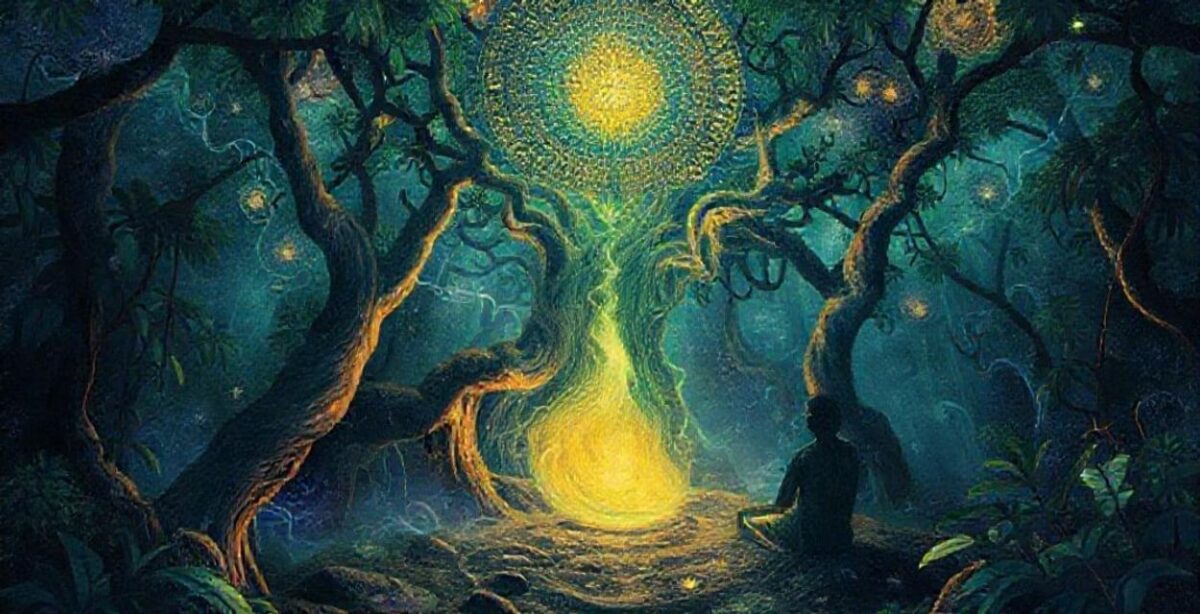
Ayahuasca visions have fascinated explorers, scientists, and spiritual seekers for decades, offering a vivid window into the mind’s deepest layers. When participants describe swirling colors, intricate geometric patterns, or encounters with mythic beings, they are often describing the profound visual phenomena that arise during an ayahuasca ceremony. Understanding these experiences is not merely an academic exercise; it can illuminate pathways for personal healing, cultural insight, and even new therapeutic models. This article delves into what ayahuasca visions mean, how they arise, and why they matter for anyone interested in the intersection of consciousness, psychology, and traditional plant medicine.
Understanding Ayahuasca Visions
At its core, an ayahuasca vision is a complex, multisensory hallucination triggered by the psychoactive compound DMT (dimethyltryptamine) combined with MAO inhibitors found in the Banisteriopsis caapi vine. The brew creates a unique neurochemical environment that temporarily rewires brain networks, allowing normally suppressed imagery to surface. Researchers have identified increased activity in the default mode network and heightened connectivity between visual cortex regions, which together generate the vivid, often kaleidoscopic scenes reported by participants.
The Science Behind the Experience
Modern neuroimaging studies reveal that ayahuasca temporarily reduces activity in the brain’s default mode network, a hub associated with self-referential thinking and ego formation. This reduction creates a state of ego dissolution, freeing the mind to explore imagery without the usual filters of personal narrative. Simultaneously, the serotonin 5‑HT2A receptors—key targets of DMT—become hyper‑stimulated, amplifying visual processing pathways. The result is a cascade of neuroplastic events that can reorganize neural pathways, making the experience both intense and potentially transformative.
Common Themes in Ayahuasca Visions
- Geometric patterns: intricate mandalas, fractal designs, and pulsating grids.
- Nature motifs: forests, rivers, animals, and celestial bodies that often carry symbolic weight.
- Archetypal figures: wise elders, shamanic guides, or mythic creatures that appear as mentors or challengers.
- Life review scenes: vivid re‑enactments of past events, sometimes viewed from an omniscient perspective.
These recurring motifs suggest that ayahuasca visions tap into universal symbols stored in the collective unconscious, echoing the work of Jungian psychology while also reflecting personal memories and cultural narratives.
Interpreting the Symbolism of Ayahuasca Visions
Interpretation is a delicate art that balances personal context with broader symbolic frameworks. While some participants find meaning by matching images to known mythologies, others rely on the emotional tone of the vision to guide their understanding. The key is to approach each vision with curiosity rather than judgment, allowing the subconscious to speak in its own visual language.
Personal Context Matters
Every individual brings a unique set of experiences, traumas, and aspirations into the ceremonial space. A vision of a broken bridge, for example, might symbolize a feeling of disconnection for one person, while for another it could represent a literal memory of a childhood accident. By journaling immediately after the ceremony and noting the emotions attached to each image, participants can begin to map personal relevance onto the broader symbolic canvas.
Archetypal Symbols and Collective Meaning
Many ayahuasca visions align with archetypal symbols identified across cultures—such as the serpent representing transformation, the tree symbolizing growth, or the ocean embodying the unconscious. When a vision resonates with these universal motifs, it often points to deeper psychological processes at work. Recognizing these patterns can help individuals integrate insights into daily life, fostering a sense of continuity between the ceremonial experience and everyday behavior.
Why Ayahuasca Visions Matter
The significance of ayahuasca visions extends beyond their aesthetic beauty; they serve as catalysts for change in several domains.
Therapeutic Potential
Clinical trials are increasingly documenting the therapeutic benefits of ayahuasca-assisted psychotherapy. Patients with depression, PTSD, and addiction report that vivid visions act as a narrative bridge, allowing them to confront suppressed memories in a safe, guided environment. The visual nature of the experience can bypass verbal defenses, enabling a more direct emotional release. Moreover, the integration of these visions—through post‑ceremony counseling and reflective practices—has been linked to lasting improvements in mood and self‑esteem.
Spiritual Growth and Existential Insight
For many, ayahuasca visions provide a profound sense of connection to something larger than the self. Encounters with luminous beings, expansive landscapes, or timeless voids often trigger existential questions about purpose, mortality, and interconnectedness. These moments can inspire lasting shifts in worldview, encouraging practices such as mindfulness, compassion, and ecological stewardship. In this way, ayahuasca visions become a bridge between personal healing and broader spiritual evolution.
Practical Guidance for Navigating Ayahuasca Visions
While the visions themselves are unpredictable, participants can adopt strategies to maximize safety, insight, and integration.
- Set and Setting: Choose a supportive environment, trusted facilitators, and a clear intention before the ceremony.
- Grounding Techniques: Practice deep breathing, gentle movement, or mantra repetition to stay anchored during intense visual episodes.
- Journaling: Record impressions immediately after the session, noting colors, symbols, emotions, and any physical sensations.
- Integration Sessions: Work with a therapist or experienced guide to translate visual material into actionable life changes.
- Self‑Compassion: Accept that some visions may be confusing or unsettling; treat them as opportunities for growth rather than failures.
By honoring these practices, participants can transform fleeting images into lasting personal development.
Conclusion
Ayahuasca visions are more than spectacular light shows; they are windows into the brain’s hidden architecture, mirrors of personal narrative, and portals to universal symbolism. Whether approached from a scientific, therapeutic, or spiritual perspective, these visions matter because they offer a rare chance to confront inner material, rewire neural pathways, and emerge with renewed purpose. As research continues to uncover the mechanisms behind these experiences, the importance of respectful, intentional, and well‑integrated practice becomes ever clearer. Embracing the lessons of ayahuasca visions can lead to profound transformation, both within the individual and across the communities that honor this ancient plant medicine.