Ayahuasca Retreats in Lima: What You Should Know
December 26, 2025
How to Find the Best Ayahuasca retreat experience for Your Personal Growth and Healing
January 12, 2026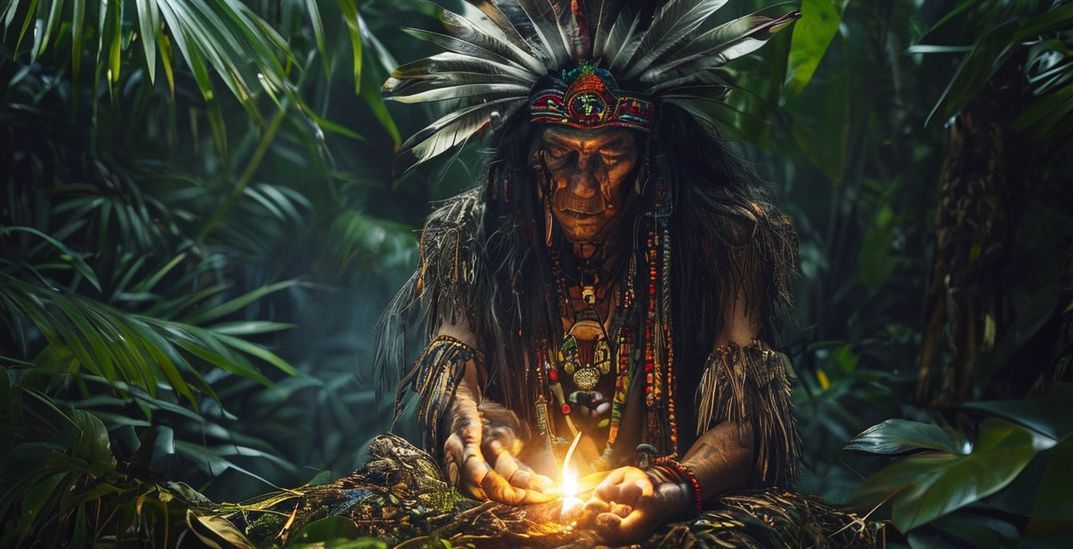
Ayahuasca has moved from remote Amazonian villages to the forefront of global conversations about consciousness, healing, and personal growth. While the name may sound exotic, the brew itself is a complex blend of botanical ingredients that have been used for centuries by indigenous peoples to explore inner landscapes, resolve communal conflicts, and connect with the spiritual world. In this comprehensive guide we will answer the central question What is ayahuasra? and examine how the experience can transform lives in profound, measurable ways. By the end of the article you will understand the cultural roots, the pharmacology, the therapeutic potential, and the practical considerations that every seeker should know before embarking on an ayahuasca journey.
What is ayahuasca? An Overview
The term ayahuasca comes from the Quechua words aya (spirit or soul) and huasca (vine), literally meaning “vine of the soul.” At its core, ayahuasca is a decoction made from two primary plant species: the woody liana Banisteriopsis caapi and the leaves of the shrub Psychotria viridis (or, in some traditions, other DMT‑containing plants). The combination creates a synergistic effect where the monoamine oxidase inhibitors (MAOIs) in the vine allow the powerful psychedelic compound DMT from the leaves to become orally active, producing a long‑lasting visionary experience that can last from four to eight hours.
The Chemistry Behind the Brew
Understanding the chemistry is essential for grasping why ayahuasca produces such a unique state of consciousness. The key components are:
- DMT (N,N‑dimethyltryptamine): A naturally occurring tryptamine that is structurally similar to serotonin and melatonin. When taken alone, DMT is rapidly broken down by the enzyme monoamine oxidase (MAO) in the gut, rendering it inactive when ingested orally.
- Beta‑carboline alkaloids (harmine, harmaline, tetrahydroharmine): These are the MAOIs found in Banisteriopsis caapi. They inhibit the MAO enzyme, allowing DMT to cross the blood‑brain barrier and interact with serotonin receptors, especially the 5‑HT2A receptor, which is responsible for the hallucinogenic effects.
The interaction between DMT and beta‑carbolines creates a pharmacological profile that is both intense and prolonged, unlike smoked or injected DMT which peaks within minutes and dissipates quickly. This extended window gives participants time to process emotional material, engage in deep introspection, and experience vivid visual and auditory phenomena.
Traditional Use and Cultural Context
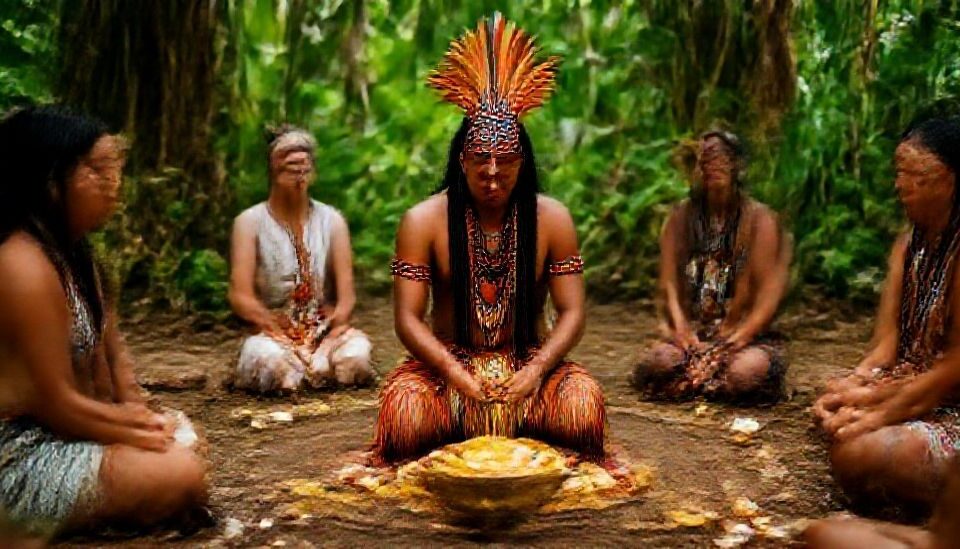
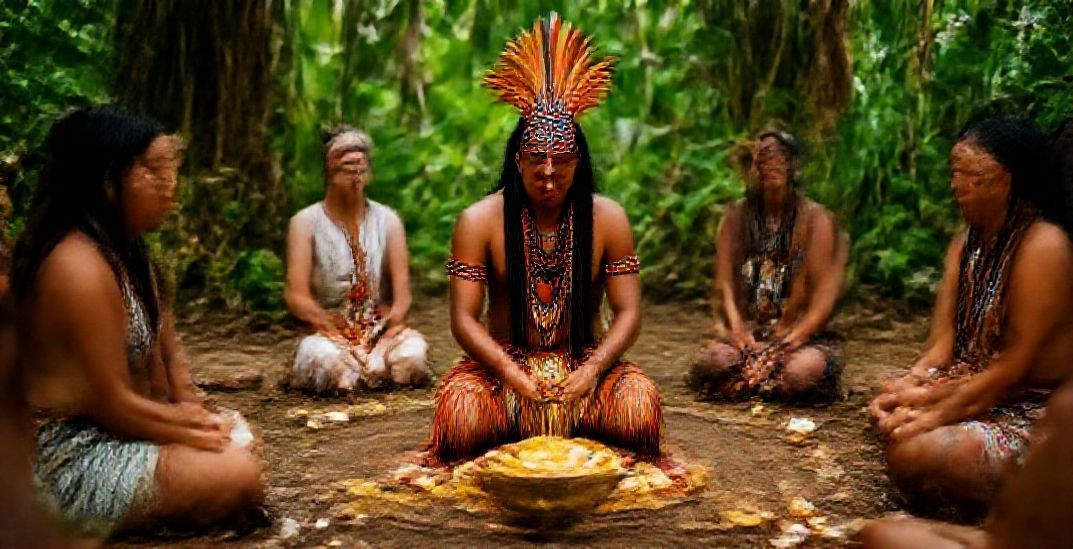
Ayahuasca is not a modern invention; it is a cornerstone of spiritual practice among many Amazonian tribes, including the Shipibo, Asháninka, and Kichwa peoples. In these cultures, the brew is administered by a trained shaman—often called a curandero or ayahuasquero—who guides the ceremony, sings icaros (healing songs), and interprets the visions that arise.
Key aspects of the traditional setting include:
- Ritual preparation: Participants fast, abstain from certain foods, and engage in prayer or meditation to purify the body and mind.
- Set and setting: The physical environment is usually a communal hut or a natural clearing, decorated with symbolic objects, incense, and natural light.
- Guidance and integration: After the brew is consumed, the shaman offers counsel, helps participants articulate their visions, and provides post‑ceremony integration practices such as diet recommendations and community support.
These elements are not merely decorative; they create a safe container that maximizes therapeutic outcomes and minimizes psychological distress.
Therapeutic Potential and Modern Research
In the last two decades, scientific interest in ayahuasca has surged. Researchers in Brazil, the United States, and Europe have begun to document its potential benefits across a range of mental health conditions.
Depression and Anxiety
Several open‑label studies have reported rapid reductions in depressive symptoms after a single ayahuasca session. The hypothesized mechanism involves the activation of neuroplasticity pathways, increased brain‑derived neurotrophic factor (BDNF), and the modulation of default mode network activity, which together may “reset” maladaptive thought patterns.
Post‑Traumatic Stress Disorder (PTSD)
Preliminary trials suggest that ayahuasca can facilitate the processing of traumatic memories by allowing participants to revisit painful events in a dissociated yet emotionally safe state. The presence of a supportive guide appears crucial for turning these intense experiences into meaningful insights.
Addiction Recovery
Traditional healers have long used ayahuasca to treat substance dependence. Modern studies echo these observations, showing decreased cravings for alcohol, nicotine, and opioids after supervised ceremonies. The brew’s ability to elicit profound emotional catharsis and to rewire reward pathways is thought to underlie these effects.
Neurocognitive Effects
Functional MRI scans of ayahuasca participants reveal increased connectivity between brain regions involved in self‑referential processing and emotional regulation. This may explain why many users report heightened self‑awareness, empathy, and a sense of interconnectedness that persists weeks after the ceremony.
Safety, Preparation, and Ethical Considerations
While ayahuasca shows promise, it is not without risks. Proper screening, informed consent, and ethical sourcing are non‑negotiable.
Medical Contraindications
- Use of selective serotonin reuptake inhibitors (SSRIs) or other serotonergic medications can lead to serotonin syndrome.
- Pregnancy, heart conditions, and severe psychiatric diagnoses (e.g., schizophrenia) are contraindicated.
- Individuals with liver or kidney impairment should consult a physician before participation.
Psychological Preparation
Effective preparation includes:
- Establishing clear intentions (e.g., healing, insight, spiritual connection).
- Engaging in mindfulness or breathwork practices for at least two weeks prior.
- Discussing expectations and fears with the facilitator.
Ethical Sourcing and Cultural Respect
Many indigenous communities rely on the harvest of Banisteriopsis caapi for their livelihood. Ethical practitioners ensure that:
- Plants are harvested sustainably, with replanting programs in place.
- Shamans receive fair compensation for their knowledge and guidance.
- Participants honor the cultural lineage by learning about the tradition and avoiding appropriation.
Personal Transformation Stories
First‑hand accounts illustrate the breadth of ayahuasca’s impact. Below are three anonymized narratives that highlight common themes:
- Emma, 34, corporate executive: After a career‑burnout crisis, Emma attended a week‑long retreat in Peru. She described a vivid vision of a broken bridge that she later realized symbolized her disconnection from family. The insight prompted her to resign, start a coaching business, and rebuild relationships, reporting a 70% reduction in anxiety scores six months later.
- Javier, 45, recovering alcoholic: Javier’s first ceremony triggered intense memories of childhood neglect. With the shaman’s guidance, he processed these emotions, leading to a decisive break from alcohol. Twelve months post‑ceremony, he remained sober and now volunteers as a peer mentor.
- Lena, 28, graduate student: Suffering from chronic depression, Lena experienced a series of luminous geometric patterns that she interpreted as “the mind’s hidden architecture.” The experience motivated her to pursue a PhD in neuropsychology, focusing on psychedelic research, and she reported a sustained lift in mood and purpose.
These stories underscore a recurring pattern: the combination of a potent psychoactive brew, a supportive setting, and intentional integration often catalyzes lasting change.
Practical Guidance for First‑Time Participants
If you are considering an ayahuasca ceremony, follow these evidence‑based steps to maximize safety and benefit:
- Research reputable centers: Look for locations that employ experienced indigenous facilitators, provide medical screening, and have clear integration programs.
- Complete a health questionnaire: Disclose all medications, mental health history, and physical conditions.
- Adopt a pre‑ceremony diet: Many traditions recommend avoiding pork, alcohol, caffeine, processed sugars, and spicy foods for 48–72 hours to reduce nausea and enhance the brew’s efficacy.
- Set clear intentions: Write down what you hope to explore (e.g., forgiveness, purpose, trauma) and bring the list to the ceremony.
- Engage in post‑ceremony integration: Journaling, therapy, or group sharing sessions help translate visionary insights into actionable life changes.
Remember that ayahuasca is not a “quick fix.” The most profound transformations often emerge months after the experience, as the mind continues to reorganize the insights gained during the ceremony.
Conclusion
Answering the question What is ayahuasca? requires more than a definition of its botanical ingredients; it demands an appreciation of its cultural heritage, its intricate chemistry, and its emerging role in modern mental‑health care. When approached with respect, proper preparation, and ethical mindfulness, ayahuasca can serve as a powerful catalyst for healing, self‑discovery, and lasting behavioral change. As scientific research continues to validate centuries‑old wisdom, the brew stands at the intersection of tradition and innovation, offering a unique pathway for those seeking to transform their lives from the inside out.