How to Find the Best Benefits of ayahuasca retreats for Your Personal Growth and Healing
January 19, 2026How to Find the Best Ayahuasca retreat for beginners for Your Personal Growth and Healing
February 2, 2026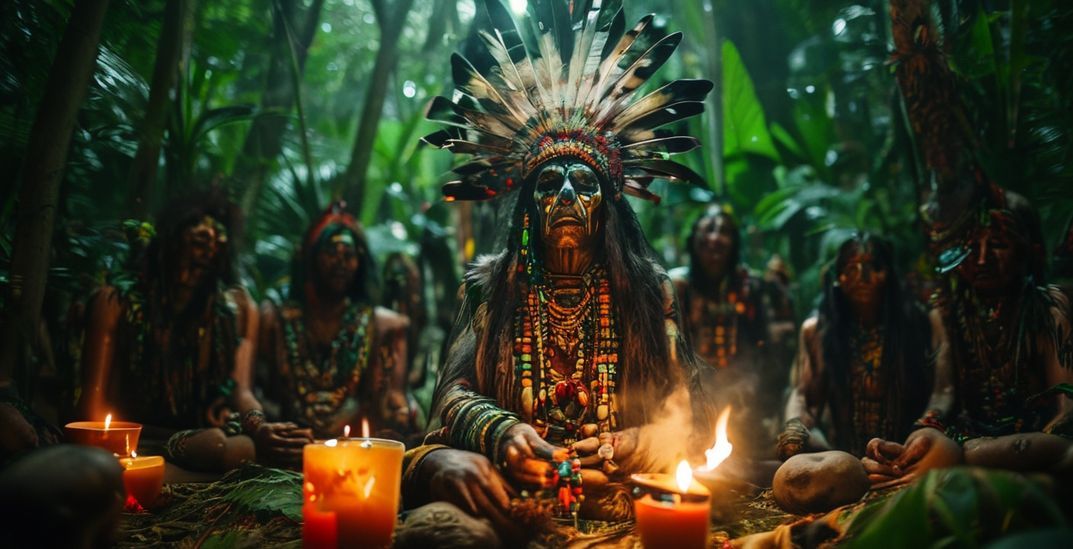
Embarking on an Ayahuasca ceremony guide journey can feel like stepping into a profound laboratory of the soul, where ancient plant medicine meets modern intention. While the allure of mystical visions and deep emotional release draws many seekers, the true power of the ceremony lies in its structured process, careful preparation, and the lasting spiritual impact it can generate. This article unpacks every critical phase of the ceremony, from the initial mindset work to post‑experience integration, offering a comprehensive roadmap for anyone curious about participating responsibly and meaningfully.
What Is an Ayahuasca Ceremony?
At its core, an Ayahuasca ceremony is a guided ritual that combines the ingestion of a brew made from the Banisteriopsis caapi vine and Psychotria viridis leaves with a supportive environment designed to facilitate inner exploration. Traditionally rooted in Amazonian indigenous cultures, the ceremony is led by a shaman or experienced facilitator who orchestrates the timing, chants, and protective space. Modern adaptations often blend these ancient practices with contemporary therapeutic frameworks, yet the essential elements—set, setting, intention, and guidance—remain unchanged.
Key Elements of an Ayahuasca Ceremony Guide
A robust Ayahusaca ceremony guide should address four foundational pillars: preparation, the ceremony itself, safety protocols, and integration. Each pillar interlocks with the others, creating a seamless flow that maximizes both safety and spiritual depth.
1. Preparation
Preparation is not merely logistical; it is a holistic process that aligns the body, mind, and spirit. This stage typically includes dietary restrictions, mental health screenings, and the cultivation of clear intentions. By adhering to these guidelines, participants reduce the risk of adverse reactions and enhance their receptivity to the medicine.
2. The Ceremony Process
The ceremony process is a carefully timed sequence of drinking the brew, entering altered states, and navigating the visionary landscape under the facilitator’s watchful eye. The guide must outline the expected timeline, the role of music or icaros (sacred songs), and the protocols for handling intense emotional moments.
3. Safety Protocols
Safety protocols encompass medical screening, emergency procedures, and the presence of trained personnel. A thorough guide will list contraindications—such as certain psychiatric conditions, heart issues, or medication interactions—to ensure participants are fully informed.
4. Integration
Integration is the often‑overlooked phase where insights are woven back into daily life. Effective integration strategies include journaling, group sharing circles, and ongoing therapeutic support. Without proper integration, the profound lessons of the ceremony may dissipate quickly.
Preparation Steps for a Safe and Meaningful Experience
Preparation can be broken down into three main categories: physical, mental, and spiritual. Below is an ordered list that details each step in depth.
- Physical Preparation
- Adopt a clean diet at least five days before the ceremony, focusing on plant‑based foods, avoiding processed sugars, alcohol, and caffeine.
- Stay hydrated; aim for at least eight glasses of water daily.
- Eliminate substances that may interact negatively with MAO‑inhibitors in the brew, such as certain antidepressants, stimulants, and tyramine‑rich foods.
- Mental Preparation
- Engage in daily meditation or mindfulness practices to cultivate a calm, centered mind.
- Complete a thorough self‑assessment questionnaire to identify any unresolved trauma or mental health concerns.
- Set clear, concise intentions—write them down and revisit them regularly in the days leading up to the ceremony.
- Spiritual Preparation
- Participate in grounding activities like yoga, breathwork, or nature walks to connect with the earth.
- Study the cultural background of Ayahuasca to develop respect for its indigenous roots.
- Connect with the facilitator or shaman ahead of time to discuss personal expectations and any fears.
By following these steps, participants create a solid foundation that supports both safety and openness to the transformative potential of the ceremony.
The Ceremony Process: What to Expect
Understanding the flow of an Ayahuasca ceremony guide helps demystify the experience and reduces anxiety. While each ceremony may vary slightly based on tradition and facilitator style, the core structure typically follows these phases:
- Opening Ritual: The facilitator welcomes participants, explains the schedule, and leads a grounding meditation or chant to set the collective intention.
- Ingestion: Participants receive measured doses of the brew, often spaced over several rounds to allow the body to adjust.
- Onset: Within 30‑60 minutes, the psychoactive effects begin. Participants may feel nausea, purging, or vivid visual imagery. The facilitator monitors the room, offering reassurance and guidance.
- Peak Experience: This is the most intense phase, lasting 2‑4 hours. Visionary journeys, emotional releases, and deep introspection occur. Music, usually in the form of icaros, helps navigate the terrain.
- Closing: As the effects wane, the facilitator leads a grounding exercise, often a gratitude circle, allowing participants to share brief reflections.
- Rest and Recovery: Participants are encouraged to rest, hydrate, and eat light meals. Many ceremonies provide a quiet space for quiet contemplation before participants leave.
Throughout each stage, the facilitator’s role is to maintain a safe container, intervene if a participant becomes overwhelmed, and provide gentle prompts that keep the journey aligned with the individual’s intentions.
Spiritual Impact and Integration Strategies
The spiritual impact of an Ayahuasca ceremony can be profound, often described as a “rebirth” or “awakening.” Common themes reported by participants include:
- Connection to Nature: A renewed sense of belonging to the natural world, often accompanied by a desire to protect the environment.
- Healing of Past Trauma: Deep emotional releases that bring unresolved wounds to the surface for processing.
- Expanded Consciousness: Experiences of unity, timelessness, and encounters with archetypal symbols or entities.
- Clarity of Purpose: A clearer understanding of life direction, relationships, or career paths.
To preserve these insights, integration must be intentional. Below are proven strategies that can be incorporated into an Ayahuasca ceremony guide aftercare plan:
- Journaling: Write daily about dreams, emotions, and any recurring symbols. This practice reinforces neural pathways associated with the insights.
- Community Support: Join integration circles or support groups where participants can share experiences in a non‑judgmental setting.
- Therapeutic Work: Engage with a therapist familiar with psychedelic integration to unpack challenging material.
- Creative Expression: Use art, music, or movement to embody the visions and emotions that surfaced during the ceremony.
- Continued Mindfulness: Maintain meditation or breathwork routines to stay grounded and receptive to subtle shifts.
When integration is approached with patience and structure, the spiritual gifts of the ceremony can ripple outward, influencing relationships, career choices, and overall life satisfaction.
Safety Considerations and Contraindications
Even though Ayahuasca has been used for centuries, modern participants must heed safety protocols to avoid physical or psychological complications. A comprehensive Ayahuasca ceremony guide should include the following safety checklist:
- Medical Screening: Verify that participants do not have heart conditions, hypertension, or a history of psychosis.
- Medication Review: Identify any serotonergic drugs (e.g., SSRIs, MAOIs) that could cause dangerous interactions.
- Emergency Plan: Ensure a qualified medical professional is on standby, and that the venue has clear evacuation routes.
- Psychological Support: Provide access to a counselor or therapist during the integration phase, especially for participants who experience intense emotional upheaval.
By adhering to these guidelines, facilitators create a protective environment that honors both the potency of the plant medicine and the well‑being of each individual.
Conclusion: Embracing the Journey with Knowledge and Respect
Understanding the full scope of an Ayahuasca ceremony guide—from meticulous preparation and the ceremonial timeline to post‑experience integration—empowers seekers to approach the medicine with confidence, reverence, and safety. While the visions and emotional currents can be intense, the structured framework outlined above ensures that participants are supported at every turn, allowing the profound spiritual impact of Ayahuasca to unfold naturally. By honoring the tradition, respecting the plant, and committing to thorough integration, the ceremony becomes not just a fleeting event, but a lasting catalyst for personal growth, healing, and a deeper connection to the world around us.