Ayahuasca Visions: What They Mean and Why They Matter
December 16, 2025
Ayahuasca Retreats in Lima: What You Should Know
December 26, 2025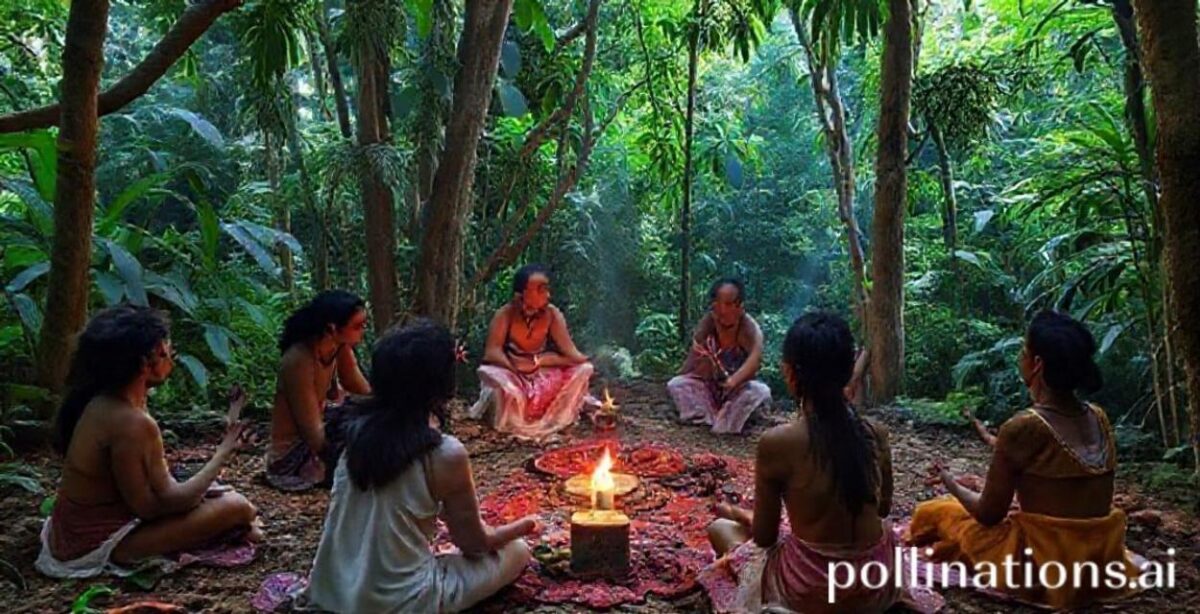
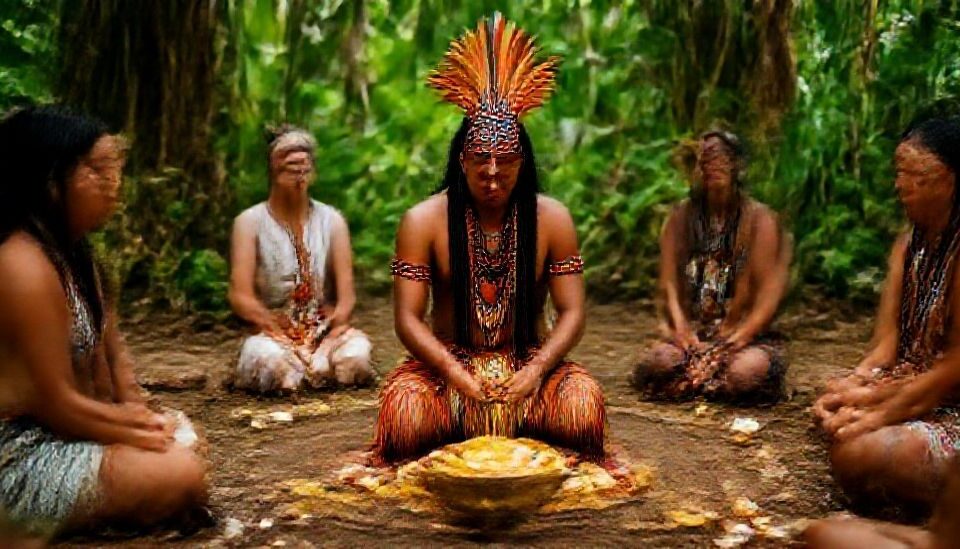
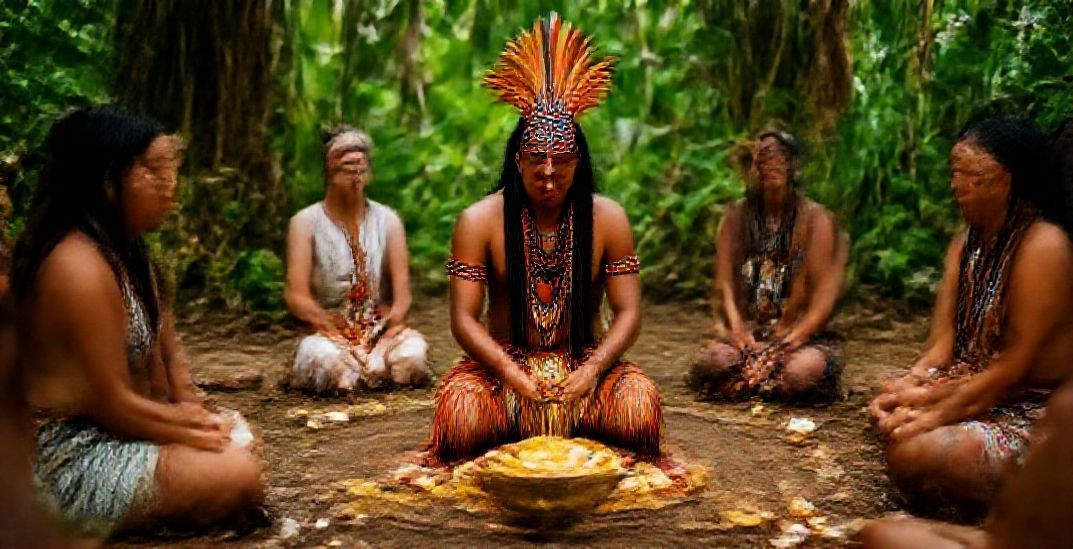
When you step into an ayahuasca ceremony, the experience is shaped not only by the brew itself but also by the vibrational landscape created by the music that surrounds you. These ayahuasca healing songs act as a sonic compass, guiding participants through the depths of their subconscious, easing emotional turbulence, and fostering a sense of communal safety. In this article we explore why these songs are essential, how they are crafted, and what you can expect when they are woven into a ceremony.
Understanding the Role of Music in Ayahuasca Ceremonies
Music has been a cornerstone of shamanic practice for centuries, and its integration into ayahuasca rituals is no exception. The primary purpose of ayahuasca healing songs is to create a resonant field that aligns with the plant’s energetic properties. By establishing a rhythmic and melodic framework, the songs help participants maintain a steady breath, focus their intention, and stay anchored when visions become intense.
In many Amazonian traditions, the shaman, or curandero, sings in a language that is both ancient and symbolic. These chants often contain invocations to the spirits of the forest, the ancestors, and the ayahuasca vine itself. The repetitive nature of the melodies induces a trance-like state, similar to the effect of the brew, allowing the mind to transition smoothly between ordinary consciousness and the altered states that ayahuasca facilitates.
What Makes a Healing Song Effective?
Not every melody can be classified as a healing song. Certain musical elements consistently appear in the most powerful ayahuasca healing songs:
- Pulsating Rhythm: A steady beat, often produced by a wooden drum or a hand‑held rattle, provides a grounding pulse that mirrors the heart’s rhythm.
- Simple, Repetitive Melodies: Repetition reinforces neural pathways, making it easier for the brain to enter a meditative state.
- Low Frequency Tones: Deep, resonant notes stimulate the vagus nerve, promoting relaxation and emotional release.
- Language and Intention: Lyrics are usually sung in an indigenous tongue, but the intention behind each phrase—whether it is a prayer for protection, a call for insight, or an expression of gratitude—carries universal energy.
When these components align, the song becomes a conduit for the plant’s healing properties, amplifying the therapeutic potential of the ceremony.
Traditional Instruments and Melodies
While modern ceremonies sometimes incorporate electronic soundscapes, the most authentic ayahuasca healing songs rely on traditional instruments that have been used for generations. Below are the most common tools and their roles:
- Roncador (Rattle): Made from gourds or seed pods, the roncador produces a soft, shaking sound that mimics the rustle of leaves, reminding participants of the forest environment.
- Maracas: Often crafted from dried gourds filled with seeds, maracas add a gentle, cascading rhythm that supports breathwork.
- Drums (Tambores): Hand‑crafted wooden drums provide the foundational pulse. Their deep tones resonate with the body’s internal rhythms.
- Flutes (Quena or Native Flutes): The airy, breathy timbre of flutes introduces a sense of spaciousness, encouraging participants to explore inner landscapes.
Each instrument is chosen not only for its sound but also for its symbolic connection to the natural world, reinforcing the ceremony’s holistic approach.
How Ayahuasca Healing Songs Facilitate Transformation
The transformative power of ayahuasca healing songs can be understood through three interrelated mechanisms:
1. Emotional Regulation
When intense emotions surface—fear, grief, or joy—the steady rhythm acts as an anchor, preventing overwhelm. The brain’s limbic system responds to the predictable beat, releasing dopamine and oxytocin, which promote feelings of safety and connection.
2. Cognitive Integration
After the peak of the ayahuasca experience, participants often struggle to articulate their visions. Healing songs provide a narrative framework, allowing the mind to translate abstract imagery into coherent stories. This linguistic scaffolding is crucial for long‑term integration.
3. Energetic Alignment
From a shamanic perspective, each song is tuned to a specific frequency that aligns with the energetic signature of the ayahuasca vine. When the frequencies match, the participant’s subtle energy field becomes harmonized, facilitating the release of blockages and the flow of vital life force (chi or prana).
Guidelines for Selecting or Creating Healing Songs
Whether you are a shaman curating a ceremony or a participant interested in contributing music, consider the following guidelines to ensure the songs serve a healing purpose:
- Stay Authentic: Use traditional scales and rhythms whenever possible. Authenticity preserves the cultural integrity of the practice.
- Keep It Simple: Overly complex arrangements can distract rather than support. Aim for a melodic line that can be easily repeated.
- Match the Ceremony’s Intent: If the ceremony focuses on forgiveness, choose songs with lyrics that invoke release and compassion. For a journey of insight, select melodies that encourage curiosity.
- Test the Resonance: Play the song at a low volume while meditating. If it induces a subtle sense of calm and openness, it is likely suitable.
- Respect the Space: Avoid electronic amplification that overwhelms the natural acoustics of the ceremony space. Acoustic instruments preserve the intimate atmosphere.
When creating new songs, collaborate with experienced curanderos to ensure the lyrical content aligns with the spiritual lineage of the tradition.
Scientific Perspectives on Sound Healing in Ayahuasca
Recent research in psychoneuroimmunology and ethnomusicology has begun to validate the anecdotal claims surrounding ayahuasca healing songs. Studies indicate that rhythmic auditory stimulation can:
- Modulate heart‑rate variability, a marker of autonomic nervous system balance.
- Increase theta brainwave activity, which is associated with deep meditation and memory consolidation.
- Enhance the release of endogenous opioids, contributing to feelings of euphoria and pain relief.
One pilot study conducted in Brazil measured cortisol levels before and after a ceremony that incorporated traditional chanting. Participants showed a significant reduction in cortisol, suggesting that the music helped mitigate stress responses induced by the psychedelic experience.
While more rigorous, large‑scale trials are needed, these findings support the hypothesis that sound acts as a co‑therapeutic agent, amplifying the plant’s intrinsic healing qualities.
Practical Tips for Participants
Even if you are not responsible for curating the music, you can still engage with the ayahuasca healing songs in ways that deepen your experience:
- Listen Actively: Focus on the rhythm and allow it to guide your breath. This synchrony can help you stay present during challenging visions.
- Sing Along When Appropriate: If the shaman invites you to join, singing can strengthen communal bonds and reinforce the intention of the ceremony.
- Reflect Post‑Ceremony: Write down any emotions or images that surfaced while a particular song was playing. This practice aids integration.
- Maintain Silence Between Songs: The pauses are intentional, giving the mind space to process the information received.
Remember that the music is a tool, not a distraction. Treat it with reverence, and it will serve as a powerful ally on your healing journey.
Conclusion
In the tapestry of an ayahuasca ceremony, ayahuasca healing songs are the threads that bind intention, emotion, and energy together. Their rhythmic consistency, cultural authenticity, and resonant frequencies create a supportive environment that enhances both the acute psychedelic experience and the long‑term integration process. Whether you are a seasoned shaman, a curious participant, or a researcher exploring the intersection of sound and consciousness, recognizing the profound role of these songs will deepen your appreciation of the ceremony’s holistic nature. By honoring the tradition, selecting appropriate melodies, and engaging mindfully with the music, you unlock a richer, more transformative path toward healing and self‑discovery.