

Preparing for an Ayahuasca Retreat: Complete Checklist
November 21, 2025
Ayahuasca Retreat vs Psilocybin: Key Differences
December 2, 2025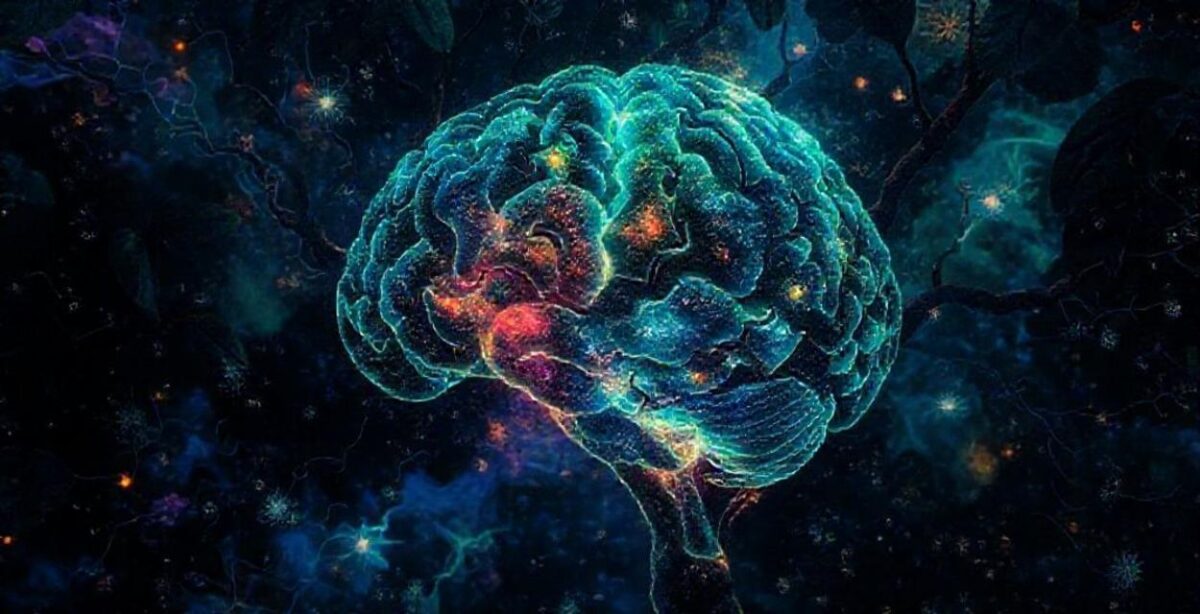
Ayahuasca has moved from the remote Amazonian rituals into the modern scientific spotlight, prompting researchers to ask: what exactly happens in the brain during a ceremony? The answer lies at the intersection of ethnobotany, psychology, and cutting‑edge neuroimaging, a field often referred to as ayahuasca neuroscience. This article unpacks the most compelling findings, explains the neurochemical pathways involved, and highlights why understanding these mechanisms matters for both therapeutic applications and responsible use.
Ayahuasca Neuroscience: How the Brew Interacts with the Brain
The traditional brew combines two primary plant components: the vine Banisteriopsis caapi, rich in reversible monoamine oxidase inhibitors (MAOIs), and the leaves of Psychotria viridis or related species, which contain the potent psychedelic N,N‑dimethyltryptamine (DMT). When ingested together, the MAOIs prevent rapid breakdown of DMT in the gut, allowing it to cross the blood‑brain barrier and bind to serotonin receptors, especially the 5‑HT2A subtype. This binding initiates a cascade of neural events that reshape perception, emotion, and cognition.
Key Neurotransmitters Affected
Beyond serotonin, ayahuasca influences several other neurotransmitter systems:
- Serotonin: Direct agonism at 5‑HT2A receptors produces visual hallucinations and altered sense of self.
- Dopamine: Modulation of dopaminergic pathways contributes to mood elevation and reward processing.
- Glutamate: Changes in glutamatergic transmission support neuroplasticity and the formation of new synaptic connections.
- GABA: Indirect effects may reduce anxiety by balancing excitatory signals.
Neuroimaging Evidence: What Scans Reveal
Functional magnetic resonance imaging (fMRI) and positron emission tomography (PET) studies have mapped ayahuasca’s impact on brain networks. The most consistent observations include:
- Decreased activity in the default mode network (DMN): The DMN, associated with self‑referential thinking and mind‑wandering, shows reduced connectivity, which many participants describe as “ego dissolution.”
- Increased global connectivity: Simultaneously, long‑range connections between distant brain regions become more synchronized, fostering novel associations and creative insights.
- Enhanced activity in the limbic system: Areas such as the amygdala and hippocampus light up, correlating with intensified emotional processing and vivid memory recall.
These patterns mirror findings from other classic psychedelics (psilocybin, LSD) but also display unique signatures linked to the MAOI component of ayahuasca, which appears to amplify serotonergic signaling while preserving a distinct rhythmic oscillation in the theta band.
Neuroplasticity and Long‑Term Brain Changes
One of the most exciting avenues of ayahuasca neuroscience is its potential to promote neuroplasticity—the brain’s ability to reorganize and form new connections. Animal studies have shown that repeated exposure to ayahuasca‑like compounds upregulates brain‑derived neurotrophic factor (BDNF) and stimulates dendritic spine growth in the prefrontal cortex. In humans, longitudinal MRI scans reveal modest increases in cortical thickness after multiple ceremonial sessions, suggesting lasting structural adaptations.
Mechanisms Behind Plasticity
The underlying mechanisms likely involve:
- 5‑HT2A receptor activation: Triggers intracellular cascades (e.g., ERK/MAPK pathway) that promote gene expression related to synaptic growth.
- Glutamate surge: Enhances NMDA‑receptor‑mediated calcium influx, a critical step for long‑term potentiation.
- MAOI‑mediated serotonin elevation: Sustains a neurochemical environment conducive to plastic changes.
These processes may explain why many participants report enduring shifts in mood, perspective, and behavior weeks or months after a single ceremony.
Therapeutic Implications: From Depression to Addiction
Clinical trials are beginning to translate these neurobiological insights into therapeutic protocols. Preliminary randomized controlled studies have demonstrated that a single ayahuasca session can produce rapid reductions in depressive symptoms, often comparable to conventional antidepressants but with a faster onset. The hypothesized mechanism involves the temporary dismantling of rigid DMN patterns, allowing patients to break out of depressive rumination.
Similarly, pilot studies on substance use disorders show that ayahuasca may reset reward circuitry, decreasing cravings and enhancing motivation for recovery. The combination of intense emotional processing (via limbic activation) and heightened neuroplasticity creates a “window of opportunity” during which psychotherapy can be especially effective.
Safety and Contraindications
While the therapeutic promise is compelling, ayahuasca neuroscience also underscores important safety considerations:
- MAOI interactions: Concurrent use of certain antidepressants (SSRIs, tricyclics) can lead to serotonin syndrome.
- Cardiovascular effects: Elevated blood pressure and heart rate are common; individuals with hypertension should proceed with caution.
- Psychiatric history: Those with a personal or family history of psychosis may be at higher risk for adverse reactions.
Rigorous screening and medical supervision are therefore essential components of any clinical or ceremonial setting.
Integrating Traditional Knowledge with Modern Science
Indigenous Amazonian cultures have long understood ayahuasca as a tool for spiritual insight, healing, and community cohesion. Modern neuroscience does not invalidate this worldview; rather, it provides a complementary language that can bridge cultural practices with evidence‑based medicine. For example, the concept of “purging” (vomiting or emotional release) observed in ceremonies aligns with neuroimaging data showing rapid emotional catharsis linked to limbic deactivation.
Collaborative research projects that involve shamans, anthropologists, and neuroscientists are beginning to respect intellectual property rights, ensure benefit‑sharing, and co‑create protocols that honor both scientific rigor and cultural integrity.
Future Directions in Ayahuasca Research
Several frontiers remain open for exploration:
- Precision dosing: Developing standardized extracts with known concentrations of DMT and MAOIs could improve reproducibility across studies.
- Network dynamics: Advanced computational models may decode how ayahuasca reshapes brain connectivity in real time.
- Personalized medicine: Genetic markers (e.g., CYP2D6 polymorphisms) could predict individual responses and guide safe administration.
Moreover, integrating wearable EEG technology during ceremonies could capture the temporal evolution of theta and gamma oscillations, offering a richer picture of the subjective experience.
Conclusion: Bridging Experience and Evidence
The convergence of ancient ritual and contemporary neuroscience is revealing that ayahuasca does far more than produce vivid visions; it orchestrates a complex neurochemical symphony that temporarily rewires the brain’s default patterns, enhances plasticity, and opens a therapeutic window for lasting change. By grounding the mystical with measurable data, ayahuasca neuroscience not only validates the profound insights reported by participants but also paves the way for safe, evidence‑based applications in mental health care. As research progresses, maintaining a dialogue between scientists, clinicians, and traditional custodians will be essential to ensure that this powerful plant medicine is used responsibly, ethically, and to the greatest benefit of humanity.
