Can Ayahuasca Help Depression? Insights from Science
October 24, 2025
Ayahuasca and Spirituality: Finding Deeper Meaning
October 31, 2025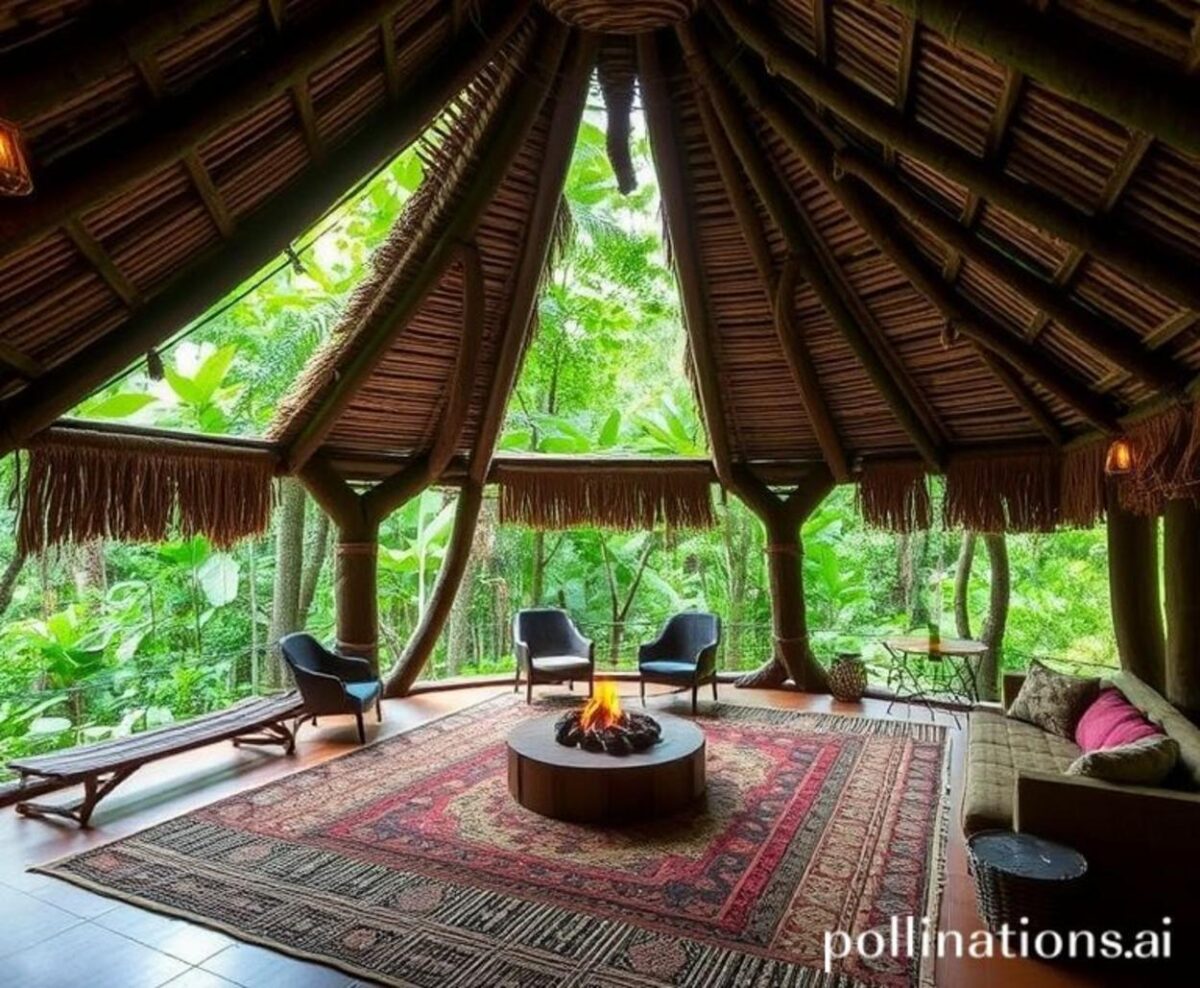
When you start researching a transformative journey in the Amazon, the first question that often surfaces is: how much does an ayahuasca retreat cost in Peru? The answer is not a simple number, because the price varies widely based on a range of factors, from the type of accommodation to the experience level of the facilitators. In this comprehensive guide we will break down every element that influences ayahuasca retreat costs, provide realistic price ranges, and share practical tips for budgeting so you can make an informed decision without any unpleasant surprises.
Understanding the Basics of an Ayahuasca Retreat
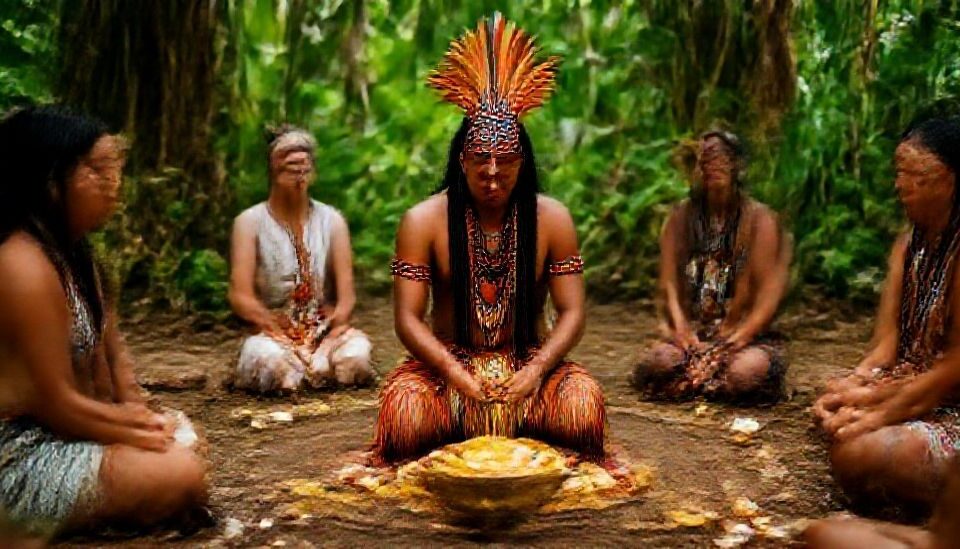
Before diving into the financial side, it helps to understand what an ayahuasca retreat actually entails. These retreats are immersive programs that combine traditional Amazonian plant medicine ceremonies with supportive practices such as meditation, yoga, integration workshops, and often a focus on nutrition and holistic health. Participants typically stay on a retreat center for several days, allowing the experience to unfold gradually and safely under the guidance of experienced shamans or trained facilitators.
The core of the retreat is the ceremonial ingestion of ayahuasca, a brew made from the Banisteriopsis caapi vine and Psychotria viridis leaves. The brew induces profound altered states of consciousness that many describe as deeply healing, insightful, and sometimes challenging. Because the process can be intense, reputable centers prioritize safety, proper screening, and thorough post‑ceremony integration to help participants make sense of their visions and emotions.
Key Factors That Influence Ayahuasca Retreat Costs
Just as a luxury hotel differs from a budget hostel, ayahuasca retreat costs are shaped by a variety of elements. Understanding these variables will help you compare options more objectively.
1. Location and Setting
Peru offers a spectrum of settings, from remote jungle lodges deep in the Amazon rainforest to more accessible facilities near Iquitos or Pucallpa. Remote locations often command higher prices because of transportation logistics, limited infrastructure, and the added exclusivity of a true wilderness experience. Conversely, retreats located closer to urban centers may be more affordable but could lack the immersive natural environment that many seekers value.
2. Length of the Program
Retreats can range from a short, intensive 3‑day experience to an extended 10‑day or even 14‑day immersion. Longer programs typically include additional ceremonies, more extensive integration sessions, and extra activities such as jungle hikes, workshops, or community service. Naturally, the longer the stay, the higher the overall cost, though the daily rate may decrease slightly with extended bookings.
3. Experience and Reputation of Facilitators
One of the most critical determinants of price is the expertise of the shaman or facilitator leading the ceremonies. Renowned shamans with decades of practice and a strong lineage often charge premium rates, reflecting both their skill and the trust participants place in them. Some centers also employ Western‑trained therapists or integration coaches, adding another layer of professional support that can increase the price.
4. Accommodation Quality
Accommodation can vary from basic hammocks and shared cabins to private rooms with en‑suite bathrooms, air conditioning, and gourmet meals. Higher‑end lodges may also offer amenities such as swimming pools, yoga studios, and Wi‑Fi, all of which contribute to the final price tag.
5. Included Services and Extras
Many retreats bundle meals, transportation from the nearest airport, medical support, and post‑retreat follow‑up into the overall cost. Others treat these as optional add‑ons. Common extras include:
- Private airport transfers
- Additional one‑on‑one integration sessions
- Specialized diets (vegan, gluten‑free, etc.)
- Excursions to nearby waterfalls or cultural sites
When evaluating ayahuasca retreat costs, always verify what is included in the base price and what will be billed separately.
Typical Price Ranges for Ayahuasca Retreats in Peru
Below is a snapshot of the most common price brackets you will encounter when researching retreats in Peru. Keep in mind that these figures are averages and can fluctuate based on season, demand, and the specific features of each center.
- Budget‑Friendly Options: $1,200 – $2,000 USD for a 5‑day program. These retreats usually provide shared cabins, basic meals, and ceremonies led by local shamans with limited Western support.
- Mid‑Range Experiences: $2,200 – $3,800 USD for a 7‑day stay. Expect more comfortable lodging, a mix of traditional and Western facilitators, and a few extra integration workshops.
- Premium or Luxury Retreats: $4,000 – $7,500 USD for 10‑day programs. These often feature private rooms, gourmet organic cuisine, multiple daily ceremonies, extensive post‑retreat counseling, and transportation from major airports.
Some ultra‑exclusive retreats, especially those that guarantee a personal shaman and a highly curated itinerary, can exceed $10,000 USD. While these are not the norm, they illustrate the upper ceiling of what ayahuasca retreat costs can reach.
Hidden Costs and How to Budget Effectively
Even after you have identified the base price, there are several hidden expenses that can quickly add up if you’re not prepared.
Travel and Transportation
Most international travelers will fly into Lima and then take a domestic flight to Iquitos or Pucallpa. Round‑trip domestic flights typically cost between $150 and $300 USD, depending on the airline and season. From the airport, many centers charge a shuttle fee ranging from $30 to $80 USD.
Visas, Vaccinations, and Insurance
Depending on your nationality, a tourist visa may be required, costing anywhere from $30 to $100 USD. Health precautions such as yellow fever vaccination, hepatitis A/B shots, and a comprehensive travel insurance policy (which should cover medical evacuation) can add another $150‑$300 USD to your budget.
Personal Supplies and Extras
While most retreats provide meals, you may want to bring personal items such as a journal, comfortable clothing, or a meditation cushion. Additionally, many participants purchase souvenirs, local crafts, or extra herbal teas, which can add $50‑$100 USD.
Post‑Retreat Integration Support
Some centers offer follow‑up integration sessions after you return home, either via video call or in‑person workshops. These services are often billed separately, ranging from $100 to $400 USD per session.
To avoid surprise expenses, create a detailed spreadsheet that lists:
- Base retreat fee
- International and domestic flights
- Airport transfers
- Visa and vaccination costs
- Travel insurance
- Personal supplies
- Optional extras (extra integration, private rooms, etc.)
Adding a 10‑15% contingency buffer is a prudent practice, especially if you plan to travel during peak season.
Tips for Getting the Best Value Without Compromising Safety
Finding a balance between cost and quality is essential, especially when the experience involves powerful plant medicine. Here are proven strategies to maximize value while ensuring a safe, supportive environment.
- Research the Facilitators Thoroughly: Look for clear biographies, lineage information, and testimonials. A reputable shaman will be transparent about their training and experience.
- Read Independent Reviews: Platforms such as TripAdvisor, Google Reviews, and specialized forums (e.g., Reddit’s r/Ayahuasca) provide candid feedback from past participants.
- Ask About Safety Protocols: Confirm that the center has medical staff on call, emergency evacuation plans, and proper screening procedures for mental health conditions.
- Compare Inclusions: A higher price may actually be more economical if it bundles meals, transportation, and integration sessions that you would otherwise pay for separately.
- Consider Group Discounts: Some retreats offer reduced rates for groups of three or more, which can be a cost‑effective way to travel with friends.
- Negotiate Off‑Season Rates: Prices often dip during the rainy season (November to March). If your schedule is flexible, you can secure a lower rate without sacrificing quality.
- Verify Accreditation: While there is no universal certification for ayahuasca centers, many reputable organizations (e.g., the International Association of Ayahuasca Facilitators) maintain directories of vetted sites.
By applying these tactics, you can confidently select a retreat that aligns with both your budget and your spiritual goals.
Conclusion: Making an Informed Decision About Ayahuasca Retreat Costs
Understanding ayahuasca retreat costs goes beyond simply looking at a price tag. It requires a holistic view of what is included, the expertise of the facilitators, the quality of the environment, and the hidden expenses that accompany international travel. By breaking down the major cost drivers—location, program length, facilitator experience, accommodation, and additional services—you can compare options with clarity and avoid unexpected financial strain.
Remember that the most valuable retreats are those that prioritize safety, ethical sourcing of the brew, and thorough integration support. Investing a bit more in a reputable center often translates into a deeper, more transformative experience that justifies the expense. Use the budgeting checklist, heed the safety tips, and approach the selection process with both curiosity and diligence. With the right preparation, you’ll be well‑positioned to embark on a life‑changing journey that respects both your wallet and your well‑being.