Healing Benefits of Ayahuasca Backed by Studies
December 9, 2025
Ayahuasca Visions: What They Mean and Why They Matter
December 16, 2025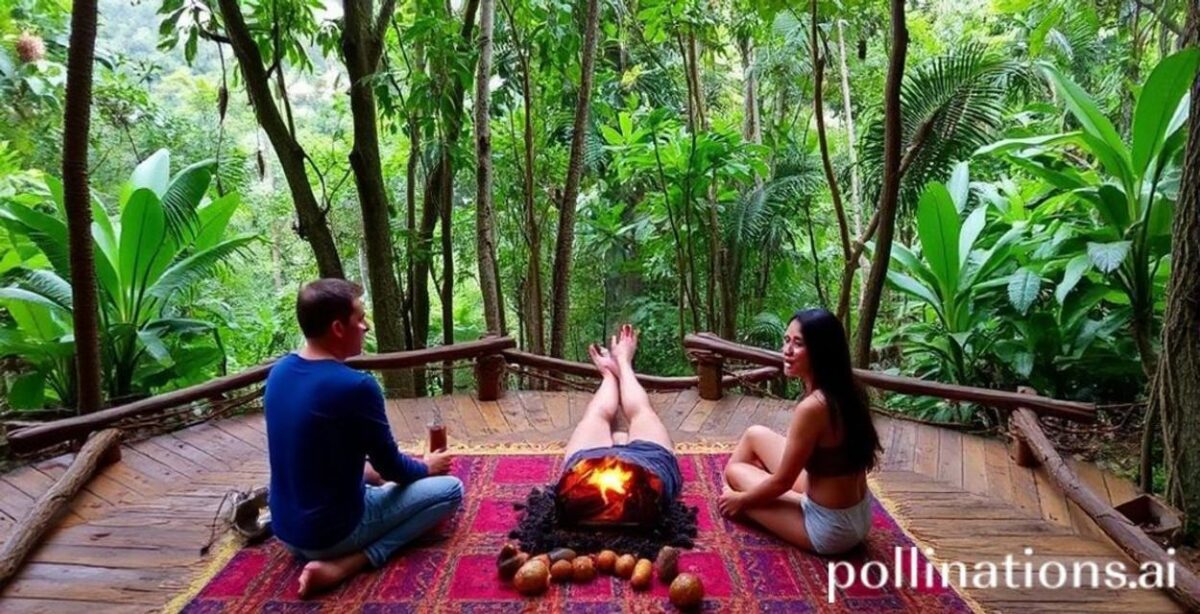
Stepping onto the misty plateau of the Peruvian Andes, I felt a mixture of anticipation and reverence that only a true ayahuasca retreat experience can evoke. The journey I embarked upon was not merely a vacation; it was a profound inner expedition guided by ancient plant medicine, seasoned facilitators, and a community of seekers. In this article I will walk you through every stage of my retreat—from the logistical preparations and the first ceremonial night to the deep insights that unfolded and the essential integration practices that followed. By sharing my personal narrative, practical advice, and reflective observations, I aim to provide future participants with a clear roadmap and a realistic picture of what an authentic ayahuasca retreat in Peru entails.
Preparing for the Ayahuasca Retreat Experience
Preparation is the cornerstone of any successful ayahuasca retreat experience. The process begins months in advance, with a focus on physical health, mental readiness, and logistical planning. Below are the key steps I followed, each of which contributed to a smoother transition into the ceremonial space.
Physical and Dietary Preparation
Ayahuasca interacts strongly with certain foods, medications, and substances. I adopted a strict dietary protocol known as the dieta, which involved eliminating pork, red meat, dairy, processed sugars, caffeine, and alcohol for at least two weeks before arrival. This not only reduced the risk of adverse reactions but also helped to cleanse the body, making the medicine’s effects clearer.
Mental and Emotional Grounding
Mentally, I engaged in daily meditation, breathwork, and journaling. These practices cultivated a calm mind and heightened self‑awareness, both essential for navigating the intense visions that ayahuasca can provoke. I also consulted a therapist to address lingering trauma, ensuring that unresolved emotional baggage would not overwhelm the ceremony.
Logistical Arrangements
Choosing the right retreat center is critical. I researched several facilities, comparing factors such as facilitator credentials, safety protocols, accommodation standards, and post‑retreat integration support. The center I selected offered a blend of traditional shamanic guidance and modern medical oversight, a combination that gave me confidence in the safety of the environment.
- Book flights to Lima and a connecting flight to the nearest regional airport (often Iquitos or Cusco).
- Arrange ground transportation to the retreat site, typically a 3‑hour drive on a rugged road.
- Secure travel insurance that covers medical evacuation, as remote locations can present unforeseen health challenges.
By completing these preparatory steps, I entered the retreat feeling physically clean, mentally focused, and logistically secure—an optimal foundation for the transformative work ahead.
The Journey Begins: First Ceremonies
The inaugural ceremony set the tone for the entire ayahuasca retreat experience. Upon arrival, I was welcomed by the facilitators, who explained the ceremony’s structure, safety measures, and the role of the shaman (or curandero). The ceremonial space—a modest wooden lodge surrounded by the jungle’s chorus—was dimly lit with candles and infused with the scent of incense.
Before drinking the brew, each participant received a brief individual blessing and was invited to set a personal intention. I chose the intention, “to understand the root cause of my chronic anxiety,” a focus that later manifested in vivid symbolic imagery.
During the ceremony, the brew’s bitter taste was followed by a wave of warmth that spread through my body. Within minutes, the visual field dissolved into swirling colors, and I found myself navigating a dense forest of memories. The shaman’s rhythmic icaros (healing songs) acted as a compass, guiding participants through the labyrinth of subconscious material.
Key Sensations and Emotional Shifts
Common sensations reported by participants include:
- Physical sensations: tingling, pressure in the chest, or a feeling of expansion.
- Emotional release: sudden tears, laughter, or a profound sense of peace.
- Visions: symbolic animals, ancestral figures, or abstract geometric patterns.
My own vision featured a towering jaguar that seemed to embody both protection and raw power. As the jaguar approached, I felt an overwhelming sense of acceptance, as if my anxiety was being acknowledged rather than suppressed. This encounter became a pivotal reference point for my integration work later on.
Deepening the Experience: Insights and Challenges
Over the next three days, I participated in additional ceremonies, each deepening the layers of insight uncovered during the first night. The second ceremony focused on relational patterns, revealing how my fear of vulnerability manifested in my personal relationships. I visualized a broken bridge, symbolizing the disconnect between my authentic self and the persona I presented to others.
Challenges are an inevitable part of any ayahuasca retreat experience. On the third night, I encountered a particularly intense purge—a physical vomiting episode that lasted nearly an hour. While uncomfortable, this purge was later understood as the body expelling stored emotional toxins, a process described in many traditional ayahuasca teachings.
Facilitator Support and Safety Protocols
Throughout the challenging moments, the facilitators maintained a vigilant presence. They monitored vital signs, offered grounding techniques such as deep breathing and gentle touch, and ensured that each participant felt safe to surrender to the process. The presence of a qualified medical professional on site added an extra layer of reassurance, especially for those with pre‑existing health conditions.
Emerging Themes and Personal Growth
By the end of the retreat, several recurring themes emerged:
- Self‑compassion: Recognizing that my inner critic was a learned habit, not an immutable truth.
- Interconnectedness: Feeling a profound bond with the natural world and the community of participants.
- Purpose alignment: Gaining clarity on career choices that align with my core values.
These insights were not abstract concepts; they translated into concrete actions once I returned home, such as enrolling in a mindfulness‑based stress reduction program and redefining my professional goals.
Integration and Aftercare: Making the Experience Last
Integration is arguably the most critical phase of the ayahuasca retreat experience. Without deliberate effort to weave the insights into daily life, the profound lessons risk fading into fleeting memories. The retreat center provided a structured integration plan that included daily group debriefs, one‑on‑one sessions with a therapist, and a post‑retreat support group that met virtually for six weeks.
My personal integration routine consisted of three core practices:
- Journaling: Each morning I recorded dreams, lingering emotions, and any synchronicities that seemed related to the retreat.
- Meditation: A 20‑minute mindfulness practice helped anchor the calm I experienced during the ceremonies.
- Physical movement: Gentle yoga and forest walks reinforced the mind‑body connection cultivated in the jungle.
Within a month, I noticed a measurable reduction in anxiety symptoms, as measured by the GAD‑7 questionnaire, dropping from a score of 15 (moderate anxiety) to 7 (mild anxiety). This quantitative improvement, coupled with qualitative shifts in my relationships, affirmed the lasting impact of the retreat.
Practical Tips for Future Participants
If you are considering an ayahuasca retreat experience in Peru, here are actionable recommendations distilled from my journey:
- Research the facilitator’s lineage: Authentic shamanic lineages often trace back to specific indigenous communities. Verify credentials and ask for references.
- Prepare a clear intention, but remain open to whatever the medicine reveals. Rigid expectations can limit the depth of insight.
- Maintain the dieta strictly for at least two weeks prior to the retreat. This not only safeguards physical health but also sharpens mental clarity.
- Pack wisely: Bring comfortable clothing, a journal, a reusable water bottle, and any personal items that provide comfort (e.g., a small blanket or a favorite scent).
- Plan for post‑retreat integration: Schedule therapy sessions, join a support group, or arrange regular check‑ins with a trusted friend.
Remember that each ayahuasca journey is unique; what worked for me may differ for you. Approach the experience with humility, curiosity, and a willingness to surrender to the unknown.
Conclusion: Reflections on a Transformative Ayahuasca Retreat Experience
My time in the Peruvian jungle was a catalyst for deep personal transformation. The combination of meticulous preparation, skilled facilitation, and intentional integration created a fertile environment for lasting change. By sharing this detailed account, I hope to demystify the ayahuasca retreat experience and equip prospective participants with the knowledge they need to embark on their own journey safely and meaningfully. Whether you seek emotional healing, spiritual insight, or a clearer sense of purpose, an authentic ayahuasca retreat can serve as a powerful conduit—provided you honor the process, respect the medicine, and commit to the work that follows.