Comprehensive Information on What is ayahuasca? and How It Transforms Lives
January 5, 2026
How to Find the Best Benefits of ayahuasca retreats for Your Personal Growth and Healing
January 19, 2026
Embarking on an Ayahuasca retreat experience can be a transformative step toward personal growth and deep healing, but the journey begins long before you step onto the ceremonial floor. Selecting the right retreat involves a blend of practical research, intuitive feeling, and a clear understanding of your own intentions. In this guide, we break down the essential criteria, safety considerations, and preparatory practices that will help you find a retreat that aligns with your goals, respects traditional wisdom, and provides a supportive environment for integration.
Understanding the Ayahuasca Retreat Experience
The term Ayahuasca retreat experience encompasses more than just a weekend of drinking a brew; it is a holistic process that integrates preparation, ceremony, and post‑retreat integration. Participants typically travel to locations where the plant medicine is administered by experienced facilitators who guide the ceremony, help interpret visions, and ensure physical safety. The experience can surface unresolved emotions, past traumas, and spiritual insights, making it crucial to approach it with respect, humility, and a solid support system. Recognizing the depth of this practice helps you set realistic expectations and choose a retreat that honors both the plant and the participant.
Key Factors to Consider When Choosing an Ayahuasca Retreat Experience
Not all retreats are created equal, and the decision matrix can feel overwhelming. Below are the primary dimensions you should evaluate:
- Safety protocols: Medical screening, emergency plans, and qualified staff.
- Facilitator expertise: Years of experience, lineage, and cultural authenticity.
- Integration support: Structured follow‑up sessions, counseling, or community groups.
- Location and setting: Natural environment, climate, and proximity to cultural sites.
- Cost and transparency: Clear breakdown of fees, inclusions, and refund policies.
By systematically reviewing each factor, you can narrow down options and focus on retreats that meet your personal criteria.
Evaluating Safety and Ethical Standards
Safety is non‑negotiable. A reputable retreat will conduct thorough health questionnaires, checking for contraindications such as heart conditions, psychiatric medication, or pregnancy. Look for evidence of a licensed medical professional on‑site or on call, as well as clear emergency evacuation procedures. Ethical standards extend beyond health; they include respect for the indigenous communities that have safeguarded the Ayahuasca tradition for centuries. Ask whether the retreat contributes a portion of its revenue to local families, supports sustainable practices, and follows a code of conduct that protects both participants and the environment.
Assessing the Facilitators and Integration Support
The facilitators are the heart of any Ayahuasca retreat experience. Their lineage—whether they belong to a Shipibo, Quechua, or other Amazonian tradition—can influence the ceremonial style and the type of guidance offered. Verify their credentials by requesting bios, references, or video introductions. Strong facilitators also provide integration support, which is essential for translating visionary insights into everyday life. Integration may include:
- Group debriefings after each ceremony.
- One‑on‑one counseling sessions with trained therapists.
- Workshops on mindfulness, breathwork, or somatic processing.
- Access to an online community for ongoing peer support.
When integration is robust, the benefits of the retreat extend far beyond the days spent in the jungle.
Location, Setting, and Cultural Authenticity
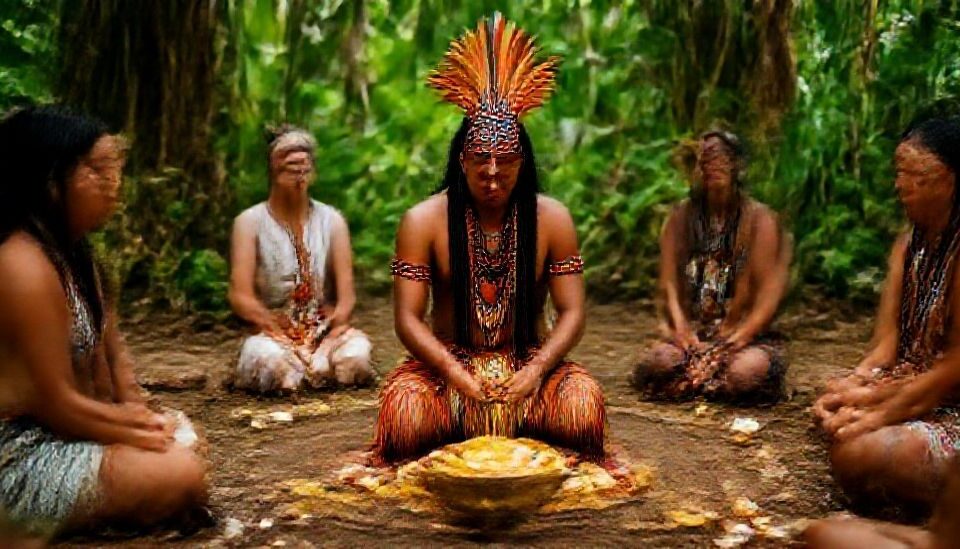
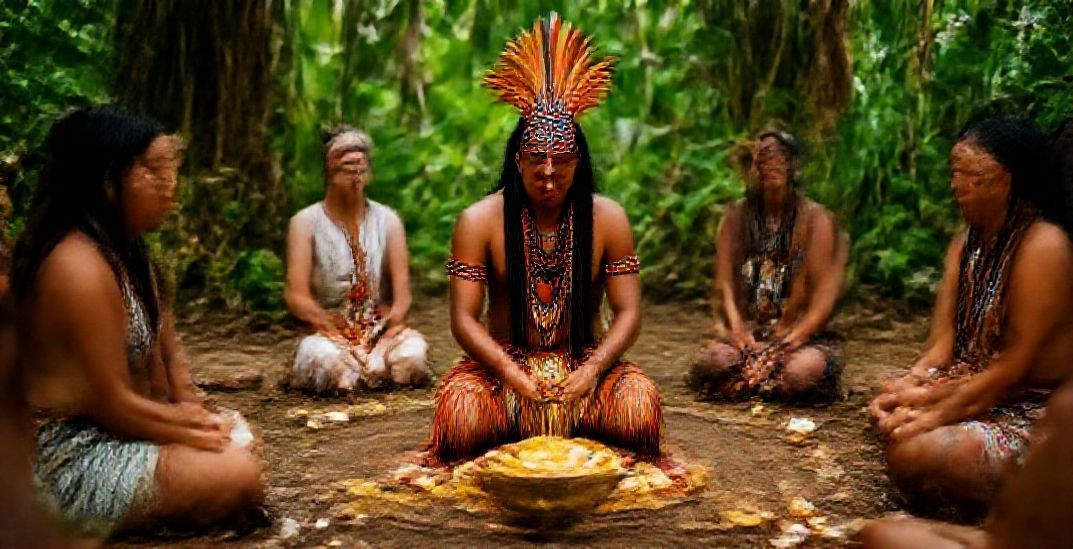
The physical environment can amplify or diminish the potency of the experience. Many seekers gravitate toward retreats in Peru, Brazil, or Ecuador, where the Amazon rainforest provides a natural backdrop that resonates with the plant’s energy. However, authenticity matters: a retreat that merely mimics Amazonian aesthetics without genuine cultural ties may lack the depth of a truly rooted ceremony. Ask about the retreat’s connection to local shamans, the language used during ceremonies, and whether traditional songs (icaros) are performed. A setting that honors the cultural lineage often creates a more reverent and powerful experience.
Cost, Duration, and Logistics
Retreats vary widely in price, ranging from a few thousand dollars for a short, basic program to upwards of ten thousand for an extended, all‑inclusive journey. Consider what is included in the fee: accommodation, meals (often vegetarian or vegan), transportation from the nearest airport, and any additional workshops. Duration is another critical variable; while a 5‑day retreat can offer a solid introduction, many participants find that a 10‑day or longer program provides the space needed for multiple ceremonies, deeper integration, and a gradual return to everyday life. Ensure that the logistical details—visa requirements, vaccination recommendations, and travel insurance—are clearly communicated.
Preparing Yourself for the Journey
Preparation begins weeks before you board the plane. Most retreats recommend a pre‑retreat diet that eliminates processed foods, alcohol, caffeine, and certain spices to reduce potential adverse reactions with the brew. Mental preparation is equally vital: journaling your intentions, practicing meditation, and engaging in gentle movement (yoga or tai chi) can help you cultivate a calm, focused mindset. Below is a simple preparatory checklist:
- Complete the health questionnaire honestly.
- Adopt a low‑tyramine diet 2–3 weeks prior.
- Set clear, compassionate intentions for the retreat.
- Establish a daily meditation or breathwork routine.
- Arrange post‑retreat support (therapist, community, or mentor).
Following these steps not only enhances safety but also primes your nervous system to receive the medicine more openly.
Post‑Retreat Integration and Ongoing Growth
The work does not end when the last ceremony concludes. Integration is the bridge that turns visionary insights into lasting behavioral change. Effective integration strategies include:
- Regular journaling to track emerging themes and emotions.
- Weekly or bi‑weekly therapy sessions focused on processing the experience.
- Participating in integration circles or online forums with fellow alumni.
- Incorporating daily practices such as mindfulness meditation, breathwork, or nature walks.
- Setting actionable goals that align with the insights gained (e.g., improving relationships, pursuing a new career path, or adopting healthier habits).
When you honor the integration phase, the benefits of the Ayahuasca retreat experience ripple outward, influencing personal relationships, professional choices, and overall well‑being.
Conclusion: Crafting Your Ideal Ayahuasca Retreat Experience
Finding the best Ayahuasca retreat experience for personal growth and healing is a deliberate process that blends research, intuition, and self‑care. By scrutinizing safety protocols, facilitator lineage, cultural authenticity, and integration support, you can select a retreat that not only respects the sacred tradition but also aligns with your unique healing goals. Remember that preparation and post‑retreat integration are as crucial as the ceremonies themselves. With thoughtful planning and a compassionate mindset, your journey with Ayahuasca can become a powerful catalyst for lasting transformation and deeper self‑understanding.