Healing Songs in Ayahuasca Ceremonies
December 19, 2025
Comprehensive Information on What is ayahuasca? and How It Transforms Lives
January 5, 2026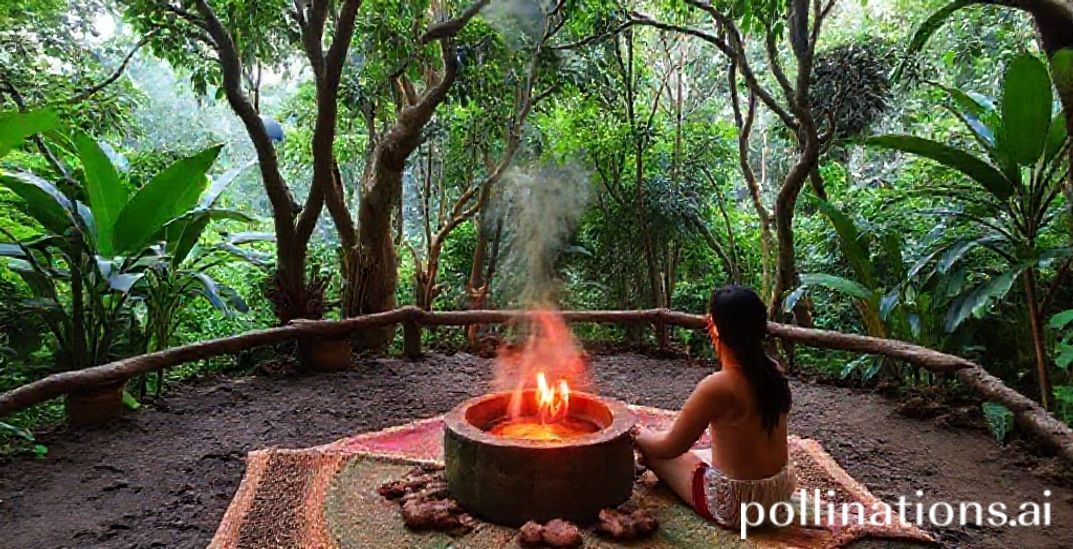
Embarking on an ayahuasca retreat in Lima can be a life‑changing journey, but it also requires careful planning and informed decisions. This guide walks you through everything you need to know—from the cultural roots of ayahuasca to practical tips for choosing a safe, supportive retreat center in Peru’s vibrant capital.
Understanding Ayahuasca and Its Cultural Roots
Ayahuasca is a traditional Amazonian brew made from the Banisteriopsis caapi vine and the leaves of the Psychotria viridis shrub. Indigenous peoples have used it for centuries in ceremonial contexts to heal, gain insight, and connect with the spiritual world. Modern interest has surged, and many travelers now seek authentic experiences in South America, with Lima emerging as a convenient gateway to the Amazonian regions where the plant is harvested.
While the brew’s psychoactive component, DMT, is illegal in many countries, Peru permits its ceremonial use under the guidance of experienced shamans. This legal nuance makes ayahuasca retreat Lima options both accessible and regulated, provided you choose a reputable center that respects traditional protocols.
Why Choose Lima for an Ayahuasca Retreat?
Lima offers several distinct advantages for those interested in ayahuasca:
- Accessibility: As Peru’s capital, Lima hosts an international airport with frequent flights from North America, Europe, and Asia, reducing travel time and logistical hassles.
- Infrastructure: High‑quality accommodations, reliable medical facilities, and a range of dining options make the transition from city life to retreat life smoother.
- Variety of Centers: From boutique urban retreats to rural sanctuaries just outside the city, Lima’s market includes options for every budget and preference.
- Cultural Immersion: Participants can explore Peruvian cuisine, art, and history before or after their ceremony, enriching the overall experience.
These factors combine to make Lima a strategic base for both first‑time seekers and seasoned participants.
Key Factors to Consider When Selecting a Retreat
Choosing the right ayahuasca retreat Lima involves evaluating several critical elements. Below is an ordered checklist to help you compare options objectively.
- Facilitator Credentials: Verify that the shaman or facilitator has a documented lineage and years of experience. Many reputable centers provide biographies and references.
- Medical Screening: A thorough health questionnaire should be mandatory. Look for centers that have partnerships with local physicians familiar with ayahuasca’s contraindications.
- Safety Protocols: Inquire about emergency procedures, availability of first‑aid kits, and proximity to a hospital.
- Integration Support: Post‑ceremony counseling, group sharing circles, and follow‑up resources are essential for processing insights.
- Accommodation Standards: Clean, comfortable rooms and nutritious meals contribute to a stable physical foundation during the journey.
- Group Size: Smaller groups (5‑12 participants) often allow for more personalized attention and a deeper sense of community.
- Transparency of Costs: Ensure the price includes all meals, lodging, ceremony fees, and any additional workshops.
By systematically reviewing each point, you can narrow down the options to those that align with your health, budget, and spiritual goals.
Safety and Legal Considerations
Although ayahuasca is legal for ceremonial use in Peru, safety remains paramount. Here are the top safety considerations you should keep in mind:
- Medical Contraindications: Individuals with heart conditions, severe mental health disorders, or those taking antidepressants (especially SSRIs) should avoid ayahuasca due to potential adverse reactions.
- Substance Interactions: Alcohol, recreational drugs, and certain prescription medications can amplify or negate the brew’s effects, leading to unpredictable outcomes.
- Psychological Preparedness: A clear intention and mental readiness are crucial. Many centers conduct pre‑retreat interviews to assess suitability.
- Legal Documentation: Some retreats provide a “ceremonial use” certificate, which can be useful if you need to explain the experience to authorities upon return home.
Never ignore these guidelines; they protect both your physical health and the integrity of the ceremony.
Preparing for Your Experience
Preparation begins weeks before you step onto the retreat grounds. Below are practical steps to ensure you arrive physically and mentally ready.
Physical Preparation
Adopt a clean diet (often called a “dieta”) at least two weeks prior. This typically means avoiding:
- Red meat, pork, and processed foods
- Caffeinated beverages
- Alcohol and recreational drugs
- Spicy or heavily seasoned meals
Hydration is equally important; aim for 2–3 liters of water daily. Light exercise such as yoga or walking can help maintain a calm nervous system.
Mental and Spiritual Preparation
Set a clear intention for your retreat. Write it down and reflect on it daily. Meditation, journaling, and breathwork are effective tools for cultivating focus and openness.
Consider discussing any past trauma or mental health concerns with a therapist before you travel. This pre‑emptive work can reduce the likelihood of overwhelming emotions during the ceremony.
What to Expect During the Retreat
Each retreat follows a structured schedule, but the core elements remain consistent across reputable ayahuasca retreat Lima programs.
- Opening Circle: Participants gather to share intentions, meet the facilitators, and receive a brief overview of the ceremony’s flow.
- Purification Practices: Some centers incorporate smudging, singing, or gentle movement to clear energetic space.
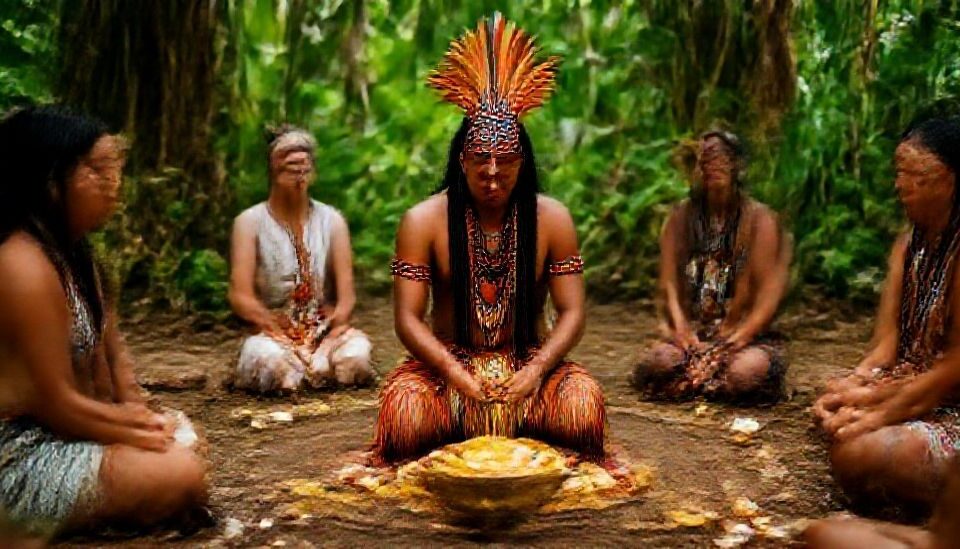
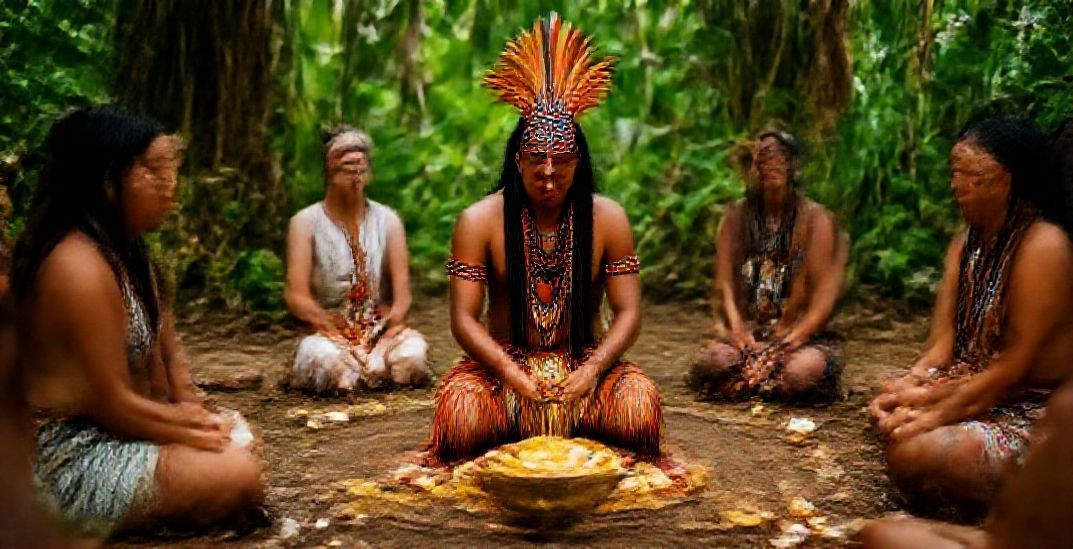
- Ayahuasca Ceremony: The brew is administered in a ceremonial space, often a dimly lit hut or outdoor setting. The shaman guides the session with icaros (sacred songs) and offers supportive herbs if needed.
- Integration Sessions: After the ceremony, participants discuss their visions, emotions, and insights in a group setting, often facilitated by a therapist or experienced guide.
- Rest and Recovery: The schedule typically includes periods of rest, light meals, and optional workshops on topics like plant medicine, nutrition, or mindfulness.
The duration of the ayahuasca experience can range from 30 minutes to several hours, with the intensity varying based on dosage, individual metabolism, and personal intention.
Post‑Retreat Integration: Making the Experience Last
Integration is the bridge between the profound insights gained during the ceremony and everyday life. Without proper integration, the lessons may fade quickly.
Effective integration strategies include:
- Journaling: Record dreams, emotions, and revelations daily for at least a month after the retreat.
- Community Support: Join online forums or local meet‑ups of fellow participants to share experiences and receive encouragement.
- Professional Guidance: Many retreats offer follow‑up counseling sessions, either in person or via video call.
- Continued Practices: Incorporate meditation, yoga, or breathwork into your routine to maintain the calm and clarity cultivated during the retreat.
Remember that integration is an ongoing process; the insights you uncover may evolve over weeks, months, or even years.
Conclusion
Choosing an ayahuasca retreat in Lima offers a unique blend of accessibility, cultural richness, and professional support. By thoroughly researching facilitators, prioritizing safety, and committing to both pre‑retreat preparation and post‑retreat integration, you set the stage for a transformative experience that can resonate long after you return home. Approach the journey with respect, intention, and an open heart, and you’ll maximize the potential for healing, insight, and lasting personal growth.