How Much Does an Ayahuasca Retreat Cost in Peru?
October 29, 2025
Ayahuasca and Anxiety: Benefits and Risks
November 4, 2025
Ayahuasca has moved from the remote jungles of the Amazon to the forefront of contemporary spiritual discourse, offering seekers a profound gateway to inner exploration. As interest in ayahuasca spirituality grows, it becomes essential to understand how this ancient brew can catalyze deeper meaning, transform perception, and foster lasting personal growth. This article delves into the historical roots, the spiritual mechanisms, practical integration strategies, and ethical considerations that shape the modern ayahuasca experience.
Understanding Ayahuasca: History and Tradition
Before exploring its spiritual impact, it is helpful to recognize the cultural and botanical foundations of ayahuasca. The term “ayahuasca” comes from the Quechua words aya (spirit) and huasca (vine), literally meaning “vine of the spirits.” Indigenous peoples of the Amazon have used the brew for centuries in shamanic ceremonies, healing rituals, and communal gatherings. The preparation typically combines the Banisteriopsis caapi vine, rich in monoamine oxidase inhibitors (MAOIs), with leaves of Psychotria viridis or other DMT‑containing plants. This synergistic chemistry allows the psychoactive compound DMT to become orally active, producing visionary states that are interpreted as encounters with the spiritual realm.
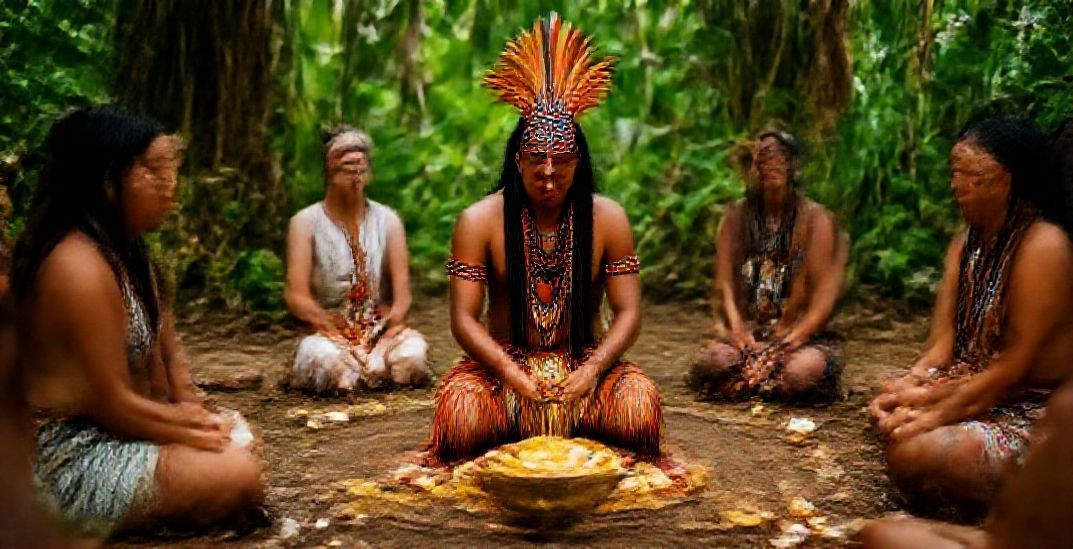
Anthropologists note that ayahuasca ceremonies are deeply embedded in a worldview where the material and spiritual planes are interwoven. Shamans, known as curanderos or ayahuasqueros, guide participants through a structured process that includes chanting, rhythmic drumming, and the use of sacred plant allies. The ritual context—often conducted at night, in a ceremonial space surrounded by natural elements—creates a safe container for the intense psychological material that emerges.
The Spiritual Dimension of Ayahuasca
Modern seekers are drawn to ayahuasca for its capacity to unlock spirituality that feels both timeless and deeply personal. The brew acts as a catalyst for what many describe as a direct encounter with the divine, the self, or the collective unconscious. Researchers have identified several recurring spiritual themes:
- Interconnectedness: Participants frequently report a vivid sense of unity with nature, other beings, and the cosmos.
- Transcendence of Ego: The dissolution of personal identity can lead to a perspective that transcends everyday concerns.
- Encounter with Archetypal Imagery: Symbolic visions often mirror mythic motifs, providing insight into personal narratives.
These experiences are not merely hallucinatory; they are interpreted within a framework of ayahuasca spirituality that emphasizes meaning‑making, moral reflection, and a renewed sense of purpose. The brew’s ability to bypass the rational mind allows emotions and memories to surface in a raw, unfiltered manner, inviting participants to confront unresolved trauma, limiting beliefs, and existential questions.
How Ayahuasca Facilitates Deeper Meaning
Several mechanisms explain why ayahuasca can lead to profound shifts in meaning:
- Neurochemical Modulation: The combination of DMT and MAOIs temporarily alters serotonin pathways, enhancing neuroplasticity and allowing new neural connections to form.
- Altered States of Consciousness: The visionary state expands the mind’s perceptual bandwidth, making abstract concepts feel tangible.
- Set and Setting: The intentional preparation (set) and ceremonial environment (setting) shape the direction of the experience, guiding it toward spiritual insight rather than random chaos.
When these factors align, participants often describe a “reset” of their internal narrative. For example, a person struggling with chronic anxiety may emerge with a renewed belief that their thoughts are not immutable, but rather mutable patterns that can be observed and transformed. This reframing is a cornerstone of lasting spiritual growth.
Case Study: From Disconnection to Purpose
Consider Maria, a 38‑year‑old professional who felt disconnected from her cultural roots and purpose. After a three‑day ayahuasca retreat, she reported vivid visions of a river flowing through a dense forest, symbolizing the flow of life. The ceremony’s shaman guided her to interpret the river as a metaphor for her own emotional currents. Post‑retreat, Maria integrated daily meditation and journaling, which helped her translate the symbolic insight into concrete actions—she began volunteering with environmental NGOs, aligning her career with her newfound sense of stewardship. Maria’s journey illustrates how ayahuasca spirituality can translate mystical experience into actionable meaning.
Integration Practices for Lasting Spiritual Growth
While the ceremony itself can be transformative, the true test of ayahuasca spirituality lies in integration—the process of weaving insights into everyday life. Effective integration strategies include:
- Journaling: Recording visions, emotions, and revelations helps solidify memory and provides a reference point for future reflection.
- Meditation and Breathwork: Regular mindfulness practices sustain the calm and clarity cultivated during the ceremony.
- Community Support: Engaging with integration circles or support groups offers accountability and shared wisdom.
- Therapeutic Guidance: Working with a therapist familiar with psychedelic experiences can help process challenging material safely.
Incorporating these practices creates a feedback loop where spiritual insights continually inform behavior, reinforcing the sense of deeper meaning. Many participants find that the combination of ritual, reflection, and community fosters a resilient spiritual framework that endures beyond the acute effects of the brew.
Potential Risks and Ethical Considerations
Despite its promise, ayahuasca is not without risks. Physical contraindications include interactions with certain medications (especially antidepressants and antihypertensives) and pre‑existing heart conditions. Psychologically, individuals with a history of psychosis or severe trauma may experience overwhelming distress. Ethical concerns also arise regarding cultural appropriation, exploitation of indigenous knowledge, and the commercialization of sacred practices.
To navigate these challenges responsibly, seekers should adhere to the following guidelines:
- Medical Screening: Consult a qualified healthcare professional before participation.
- Qualified Facilitators: Choose ceremonies led by experienced, ethically grounded shamans or facilitators who respect traditional protocols.
- Respect for Indigenous Rights: Support initiatives that give back to the communities that have preserved ayahuasca traditions for generations.
- Informed Consent: Ensure that all participants understand the potential effects, risks, and the importance of integration.
By honoring these principles, participants can engage with ayahuasca in a manner that aligns with both personal growth and cultural integrity.
Conclusion: Embracing Ayahuasca Spirituality for Deeper Meaning
Ayahuasca offers a unique portal into the heart of spirituality, inviting individuals to confront the layers of self, reconnect with the natural world, and uncover purpose that may have been obscured by daily routine. When approached with reverence, proper preparation, and a commitment to integration, the brew can catalyze lasting transformation, turning fleeting visionary moments into enduring pathways of meaning. As the global conversation around ayahuasca spirituality evolves, it is essential to balance curiosity with responsibility, ensuring that the ancient wisdom of the Amazon continues to inspire future generations while honoring the cultures that first discovered its power.